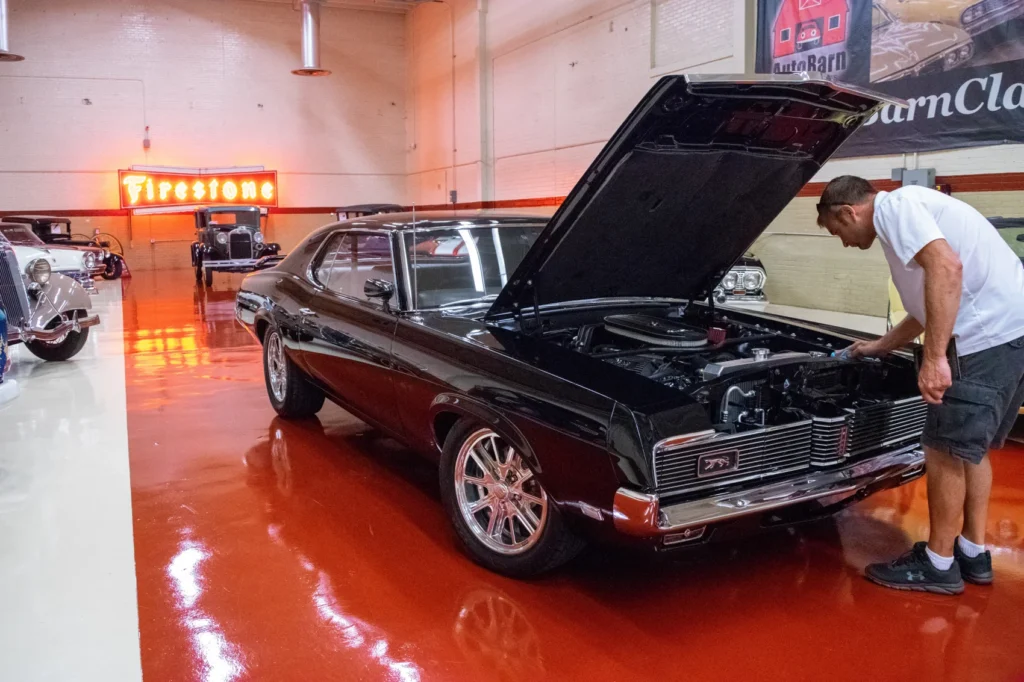
How to Choose the Best Engine for Your Classic Muscle Car
When someone asks, “What’s the best engine for my classic muscle car?” what they’re usually asking is something else entirely.
They’re asking if their idea makes sense.
They’re asking if the internet is lying to them.
They’re asking if the engine they want will actually make them happy once the car is finished.
At Prestige Motorsports, that question almost always leads to another one:
“How are you really going to use the car?”
Because there is no single “best” muscle car engine — only the right engine for the way the car will be driven, enjoyed, and lived with.
Why There’s No Single “Best” Muscle Car Engine
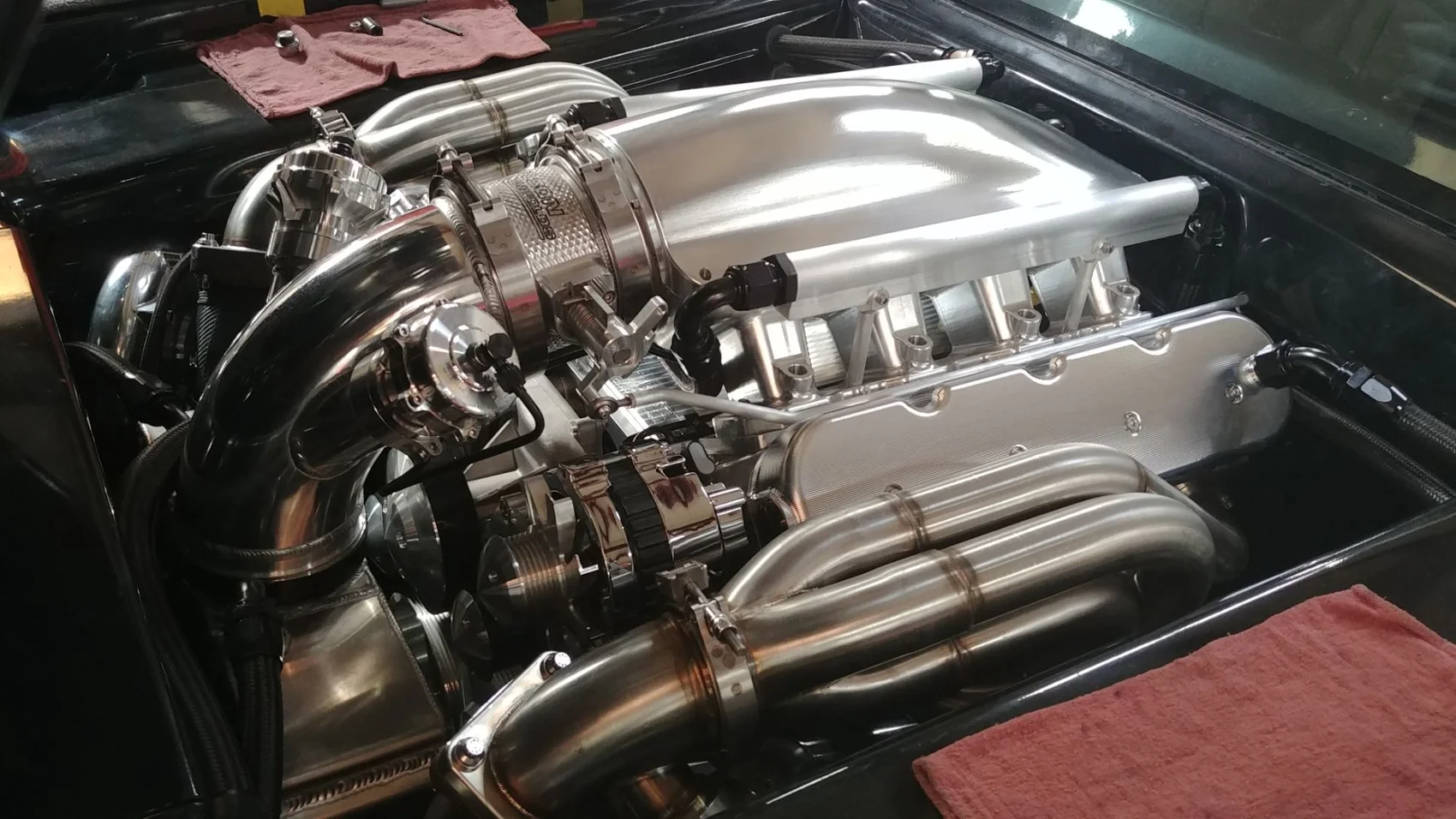
Classic muscle cars aren’t one-size-fits-all projects. Some are weekend cruisers. Some are street/strip builds. Some are full restomods meant to be driven hard and often.
The mistake people make is assuming engine choice is about brand loyalty or peak horsepower. In reality, it’s about matching the engine to the application — not just today, but five years from now.
That’s why Prestige doesn’t start with parts lists. We start with questions.
Step 1: Be Honest About How You’ll Use the Car
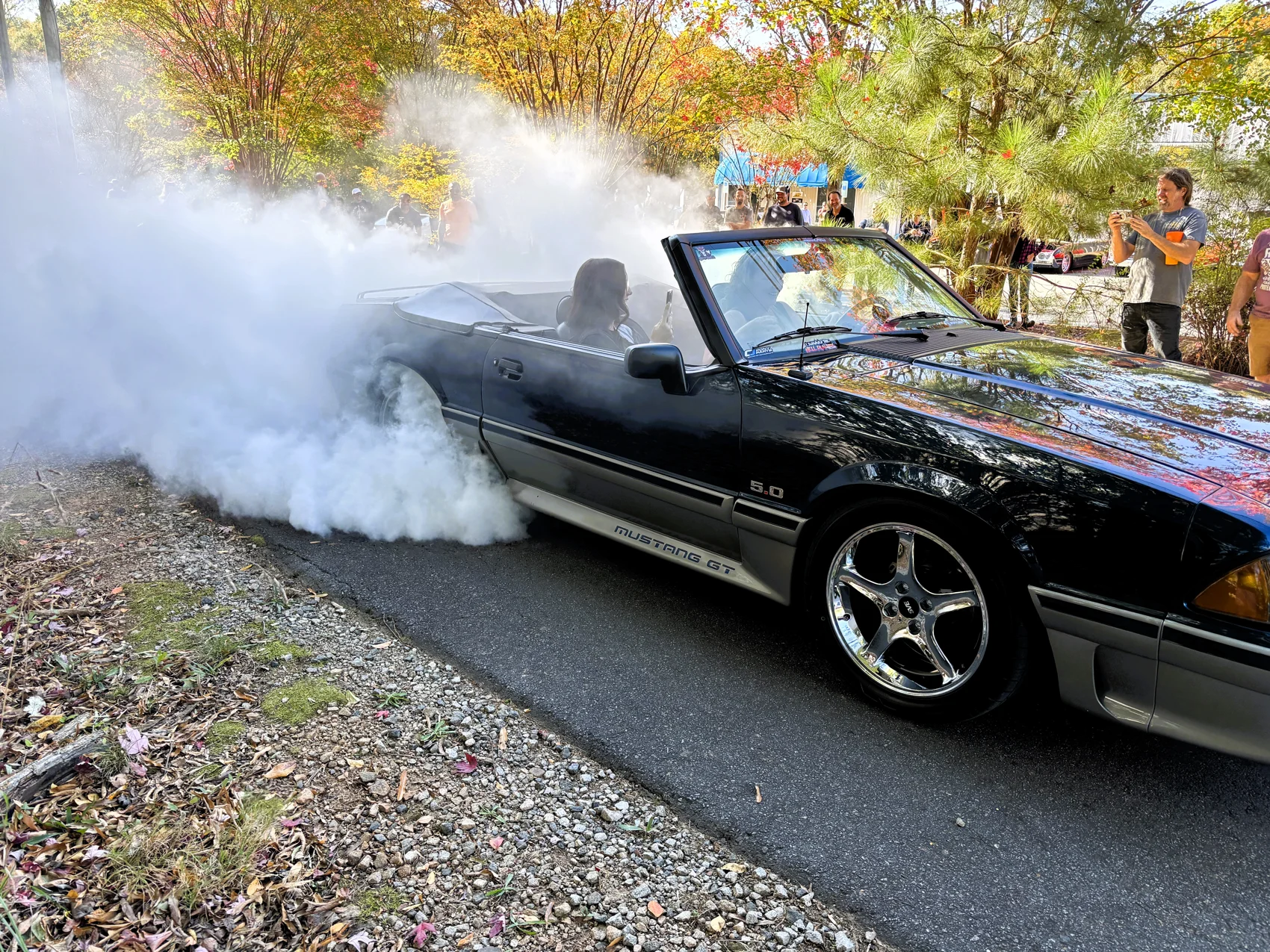
This is where most builds go sideways.
A muscle car engine designed for weekend cruising looks very different from one designed for aggressive street driving or track use. The camshaft, compression ratio, fuel system, cooling package, and even the torque curve all change based on how the car will be driven.
Most owners think they’ll take it easy.
Most owners don’t.
That’s why experienced builders plan for reality — not best intentions.
Torque vs Horsepower: What Actually Matters
Horsepower gets the headlines.
Torque is what you feel.
In real-world driving, most classic muscle cars live between 2,000 and 4,000 RPM. A broad, flat torque curve makes a car feel responsive, confident, and enjoyable — even if the peak horsepower number isn’t internet-famous.
Chasing big horsepower without considering torque, gearing, and traction often leads to cars that look great on paper and feel miserable on the street.
Choosing an Engine Platform by Brand
Ford Muscle Cars: Finding the Right Balance
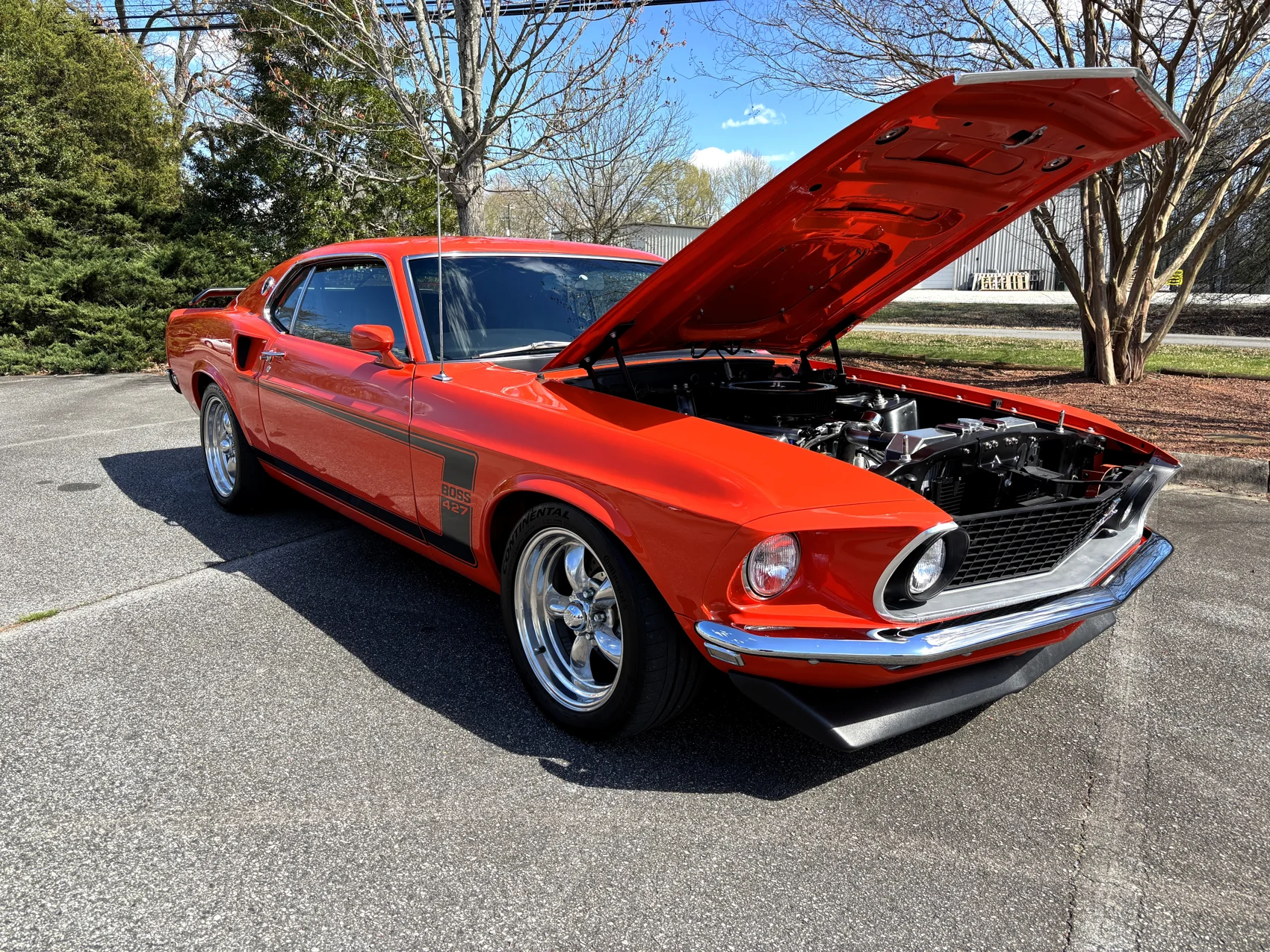
Ford muscle car builds — especially early Mustangs, Cobra replicas, and classic trucks — often benefit from lighter, well-balanced small block combinations.
A properly built small block Ford delivers:
- Strong low-end torque
- Predictable street manners
- Easier packaging and cooling
Big power is possible, but only when the foundation supports it. Weight balance, drivability, and long-term reliability usually matter more than bragging rights.
Chevy Muscle Cars: SBC, BBC, and LS Options
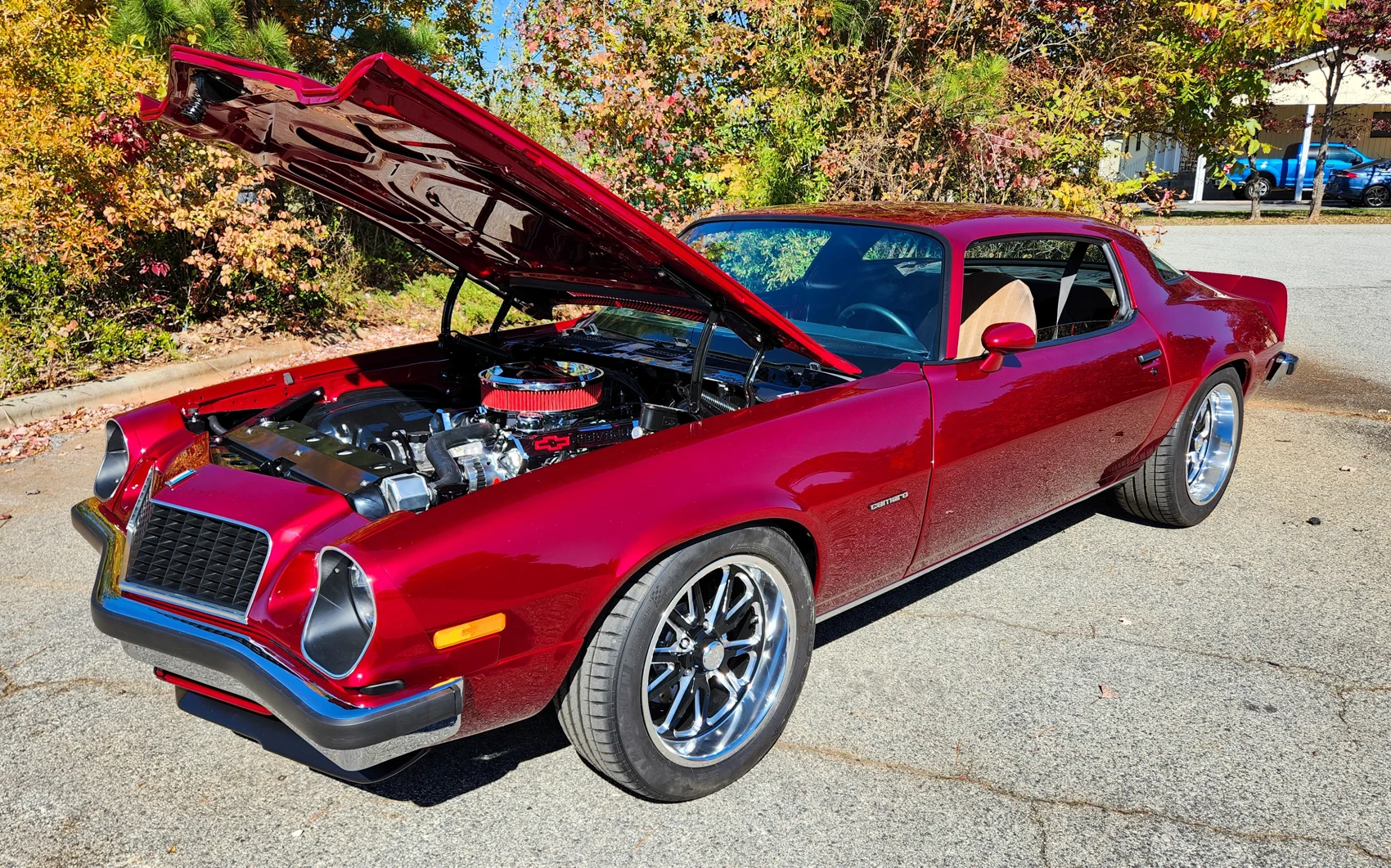
Chevy muscle cars offer more flexibility than almost any platform.
Traditional small block and big block builds still make sense, but LS swaps have become extremely popular in restomod applications thanks to:
- Excellent drivability
- Modern EFI compatibility
- Broad aftermarket support
That said, not every car needs an LS. The right choice depends on budget, goals, and how period-correct the owner wants to stay.
Mopar Muscle Cars: Gen 2 vs Gen 3 Hemi
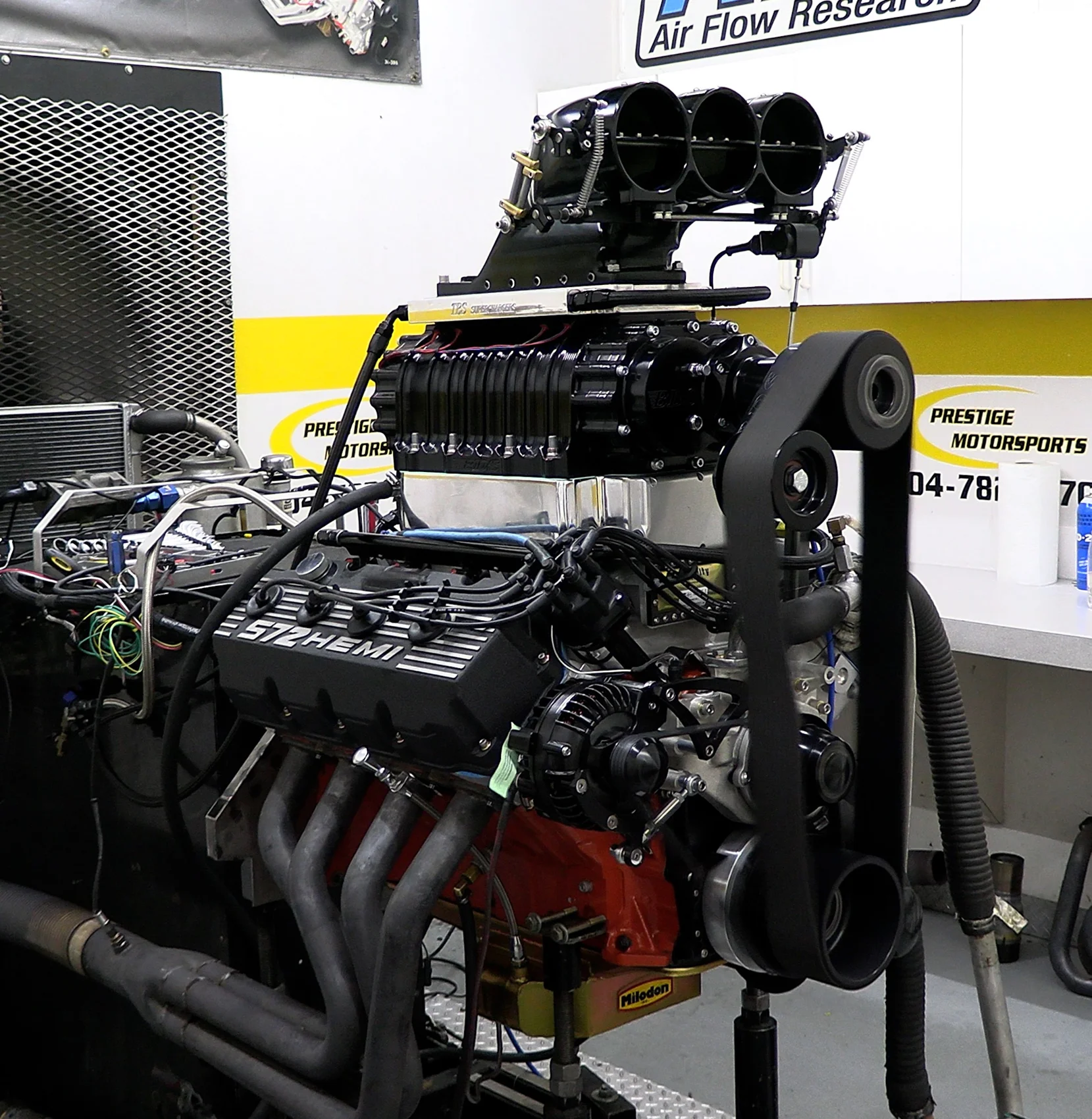
Mopar engine decisions often come down to philosophy.
- Gen 2 Hemi builds appeal to authenticity and heritage
- Gen 3 Hemi swaps deliver modern reliability, EFI, and performance
Mopar small block options still have a place, but packaging, budget, and intended use ultimately decide which direction makes sense.
Small Block vs Big Block vs LS: How to Decide
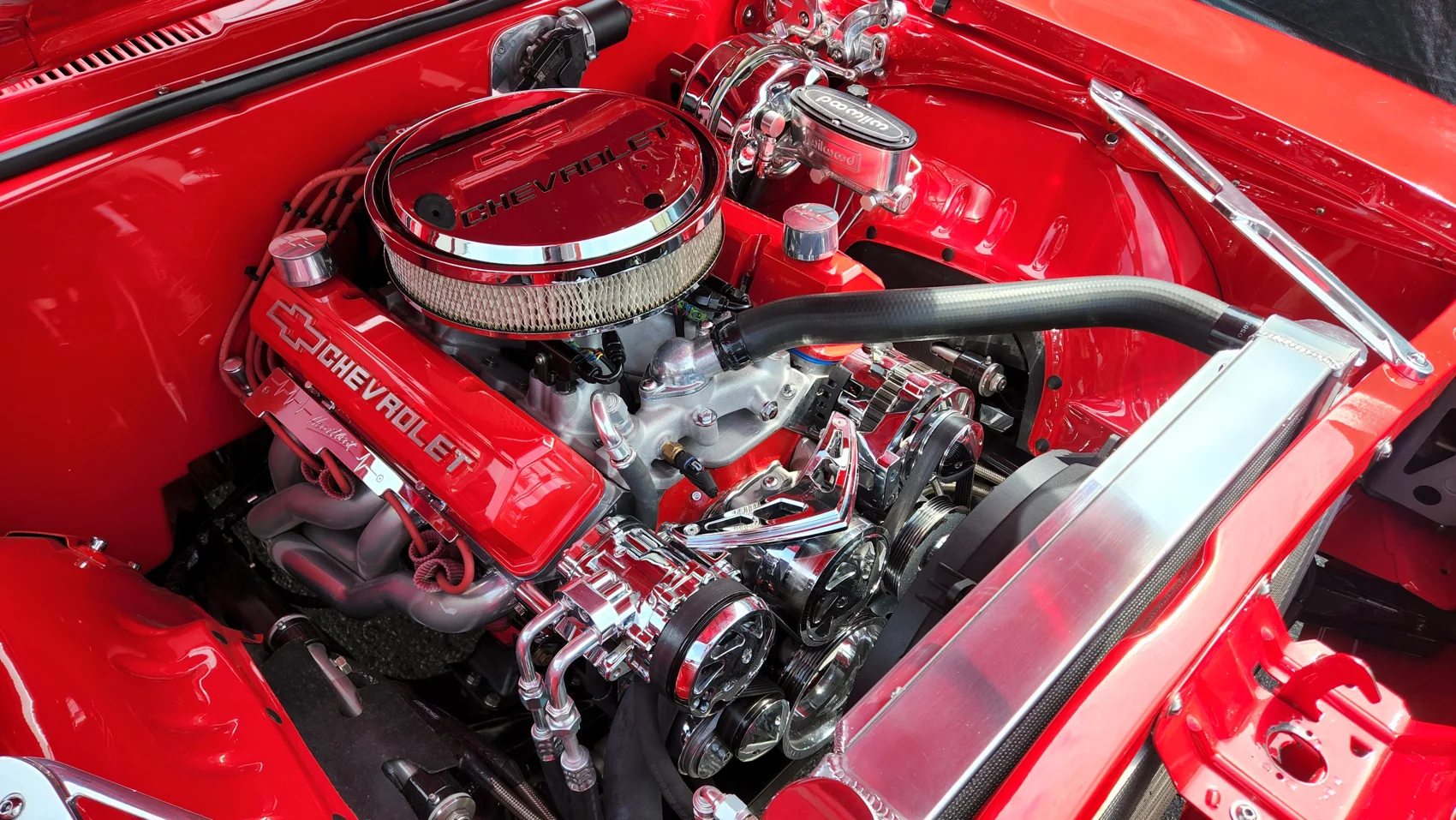
This choice is less about brand and more about physics.
Big blocks deliver effortless torque but add weight.
Small blocks balance performance and packaging.
LS platforms offer modern efficiency and drivability.
Aluminum block engines reduce front-end weight and improve handling, but they come at a higher cost. There’s no wrong answer — only trade-offs that need to be understood up front.
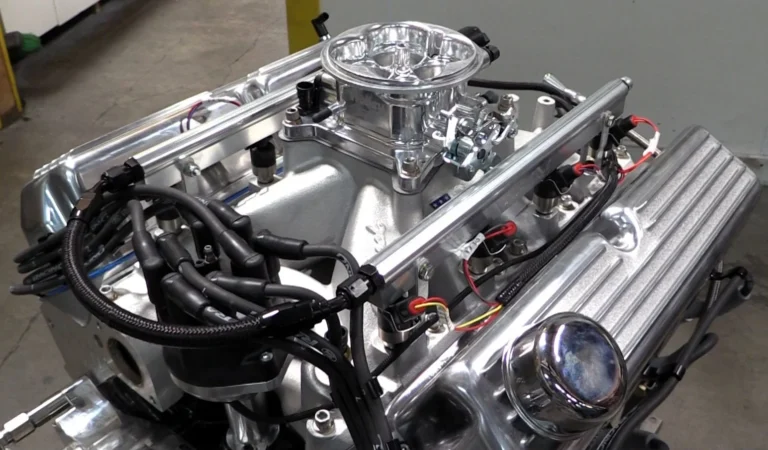
EFI vs Carburetor: Modern Drivability vs Period Correct
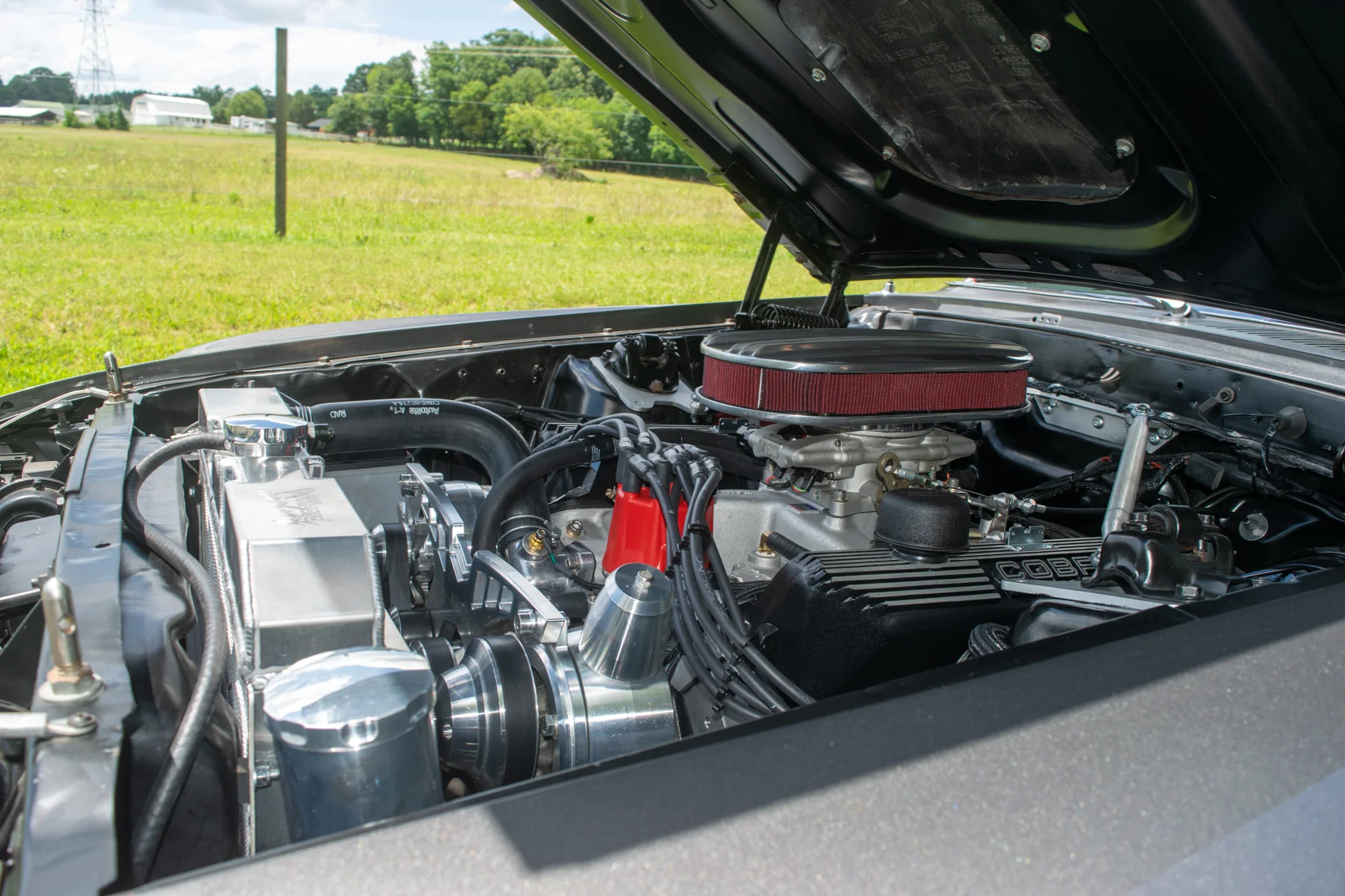
The EFI vs carburetor debate comes up on nearly every build.
Carburetors can still work well.
Electronic fuel injection simply works better for most people.
EFI improves:
- Cold starts
- Fuel efficiency
- Throttle response
- Reliability across temperature and elevation changes
That’s why the vast majority of Prestige builds today use electronic fuel injection — even on aggressive engines.
Aluminum Block vs Iron Block: What You’re Really Choosing
An aluminum block saves weight and improves balance.
An iron block saves money and remains incredibly durable.
Aluminum block engines shine in performance street builds and restomods. Iron blocks still make sense for budget-focused or nostalgia-driven projects.
The “right” block is the one that supports your power goals without pushing limits.
Displacement vs Power Adders
Big power can come from cubic inches or boost.
A roots supercharger, turbocharger, or nitrous system can deliver massive gains — but only if the engine was designed for it from the start.
One of the most common mistakes Prestige sees is buyers planning to “add boost later” to engines that were never built for it. Compression ratio, rotating assembly strength, block choice — all of it matters.
Supporting Systems That Make or Break Builds
Engines don’t fail in isolation.
Most failures come from:
- Inadequate fuel delivery
- Poor cooling systems
- Subpar wiring and electronics
- Driveline components that can’t handle the power
This is why Prestige emphasizes complete systems — not just engines.
Budget Reality: What Engine Choice Really Costs
Engine pricing varies wildly based on how complete the package is.
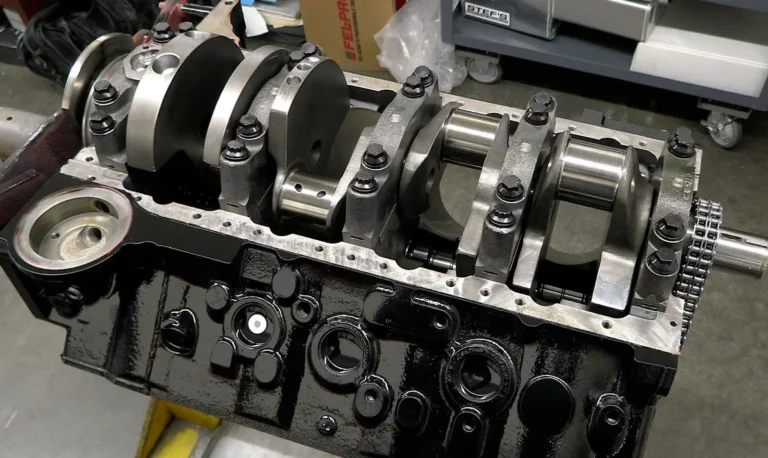
A long block is just the starting point.
Turnkey and drop-in-ready packages include the components that keep engines alive.
Blowing the entire budget on the engine while ignoring cooling, fuel delivery, and accessories is one of the fastest ways to ruin a project.
Real-World Examples: When Less Was More
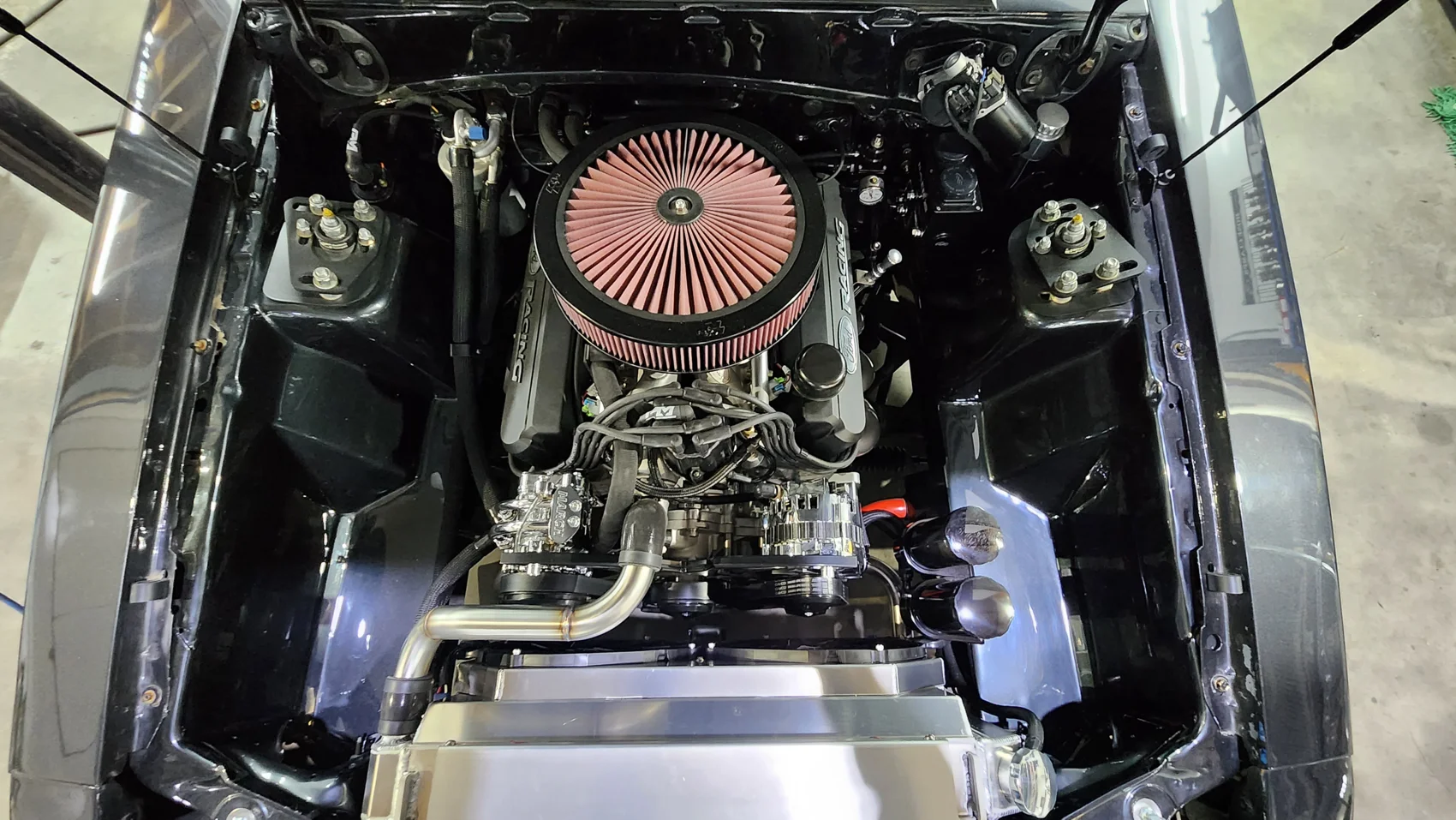
One of the most common “wins” we see is when a customer steps down from an over-the-top engine choice and ends up with a car that’s faster, easier to drive, and more enjoyable.
Better balance.
Better drivability.
Better ownership experience.
That’s the goal.
How Prestige Helps You Choose the Right Engine
Prestige doesn’t sell engines off a shelf.
We:
- Ask the right questions
- Validate combinations on the dyno
- Match engines to complete driveline systems
- Support customers long after delivery
Because we build the cars, not just the engines.
The Smart First Step
If you’re trying to choose the best engine for your classic muscle car, the smartest move isn’t buying parts.
It’s having a conversation.
Talk through your goals. Your budget. Your expectations.
Then build the engine that lets you enjoy the car — not fight it.
Schedule a consultation with Prestige Motorsports and start the process the right way.