Anyone researching a carburetor to EFI conversion eventually runs into the same question:
Should you install a throttle body fuel injection system, or go with a multi point fuel injection system?
At first glance, the answer isn’t obvious. Throttle body systems are often cheaper and easier to install. Multi-point systems cost more and require more components.
Once you understand how each system actually delivers fuel, the differences — and why many professional builders strongly favor one over the other — start to make a lot more sense.
Let’s start with the foundation.
What Is a Throttle Body?
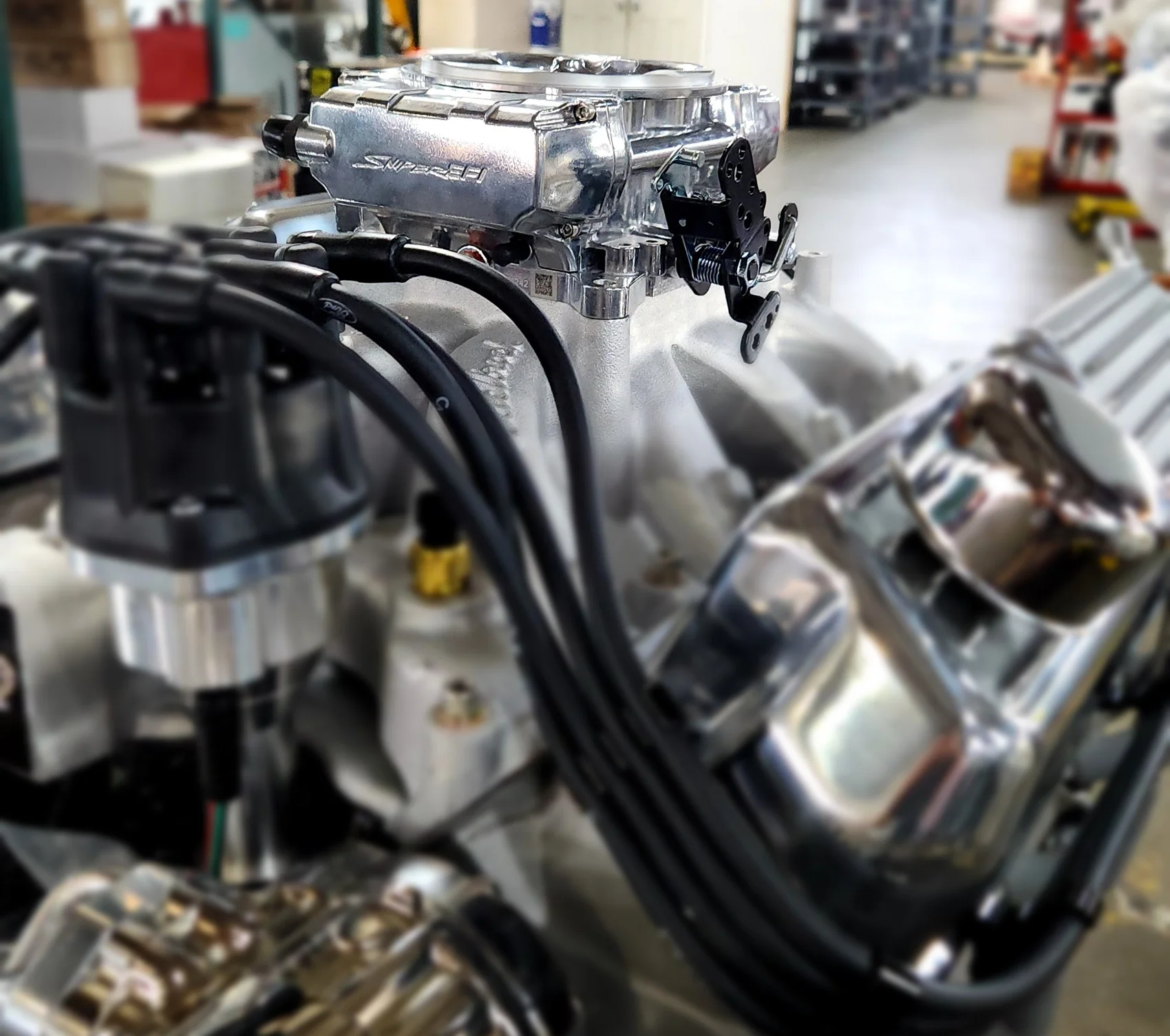
Before comparing the two systems, it helps to understand what a throttle body actually is.
In a traditional carbureted engine, the carburetor sits on top of the intake manifold and mixes fuel with incoming air before it enters the engine. A throttle body fuel injection system works in a similar physical location.
The throttle body unit typically:
- Installs in place of the carburetor
- Uses the existing intake manifold
- Contains one or more fuel injectors inside the throttle body itself
- Is controlled electronically rather than mechanically
Because throttle body systems install in the same location as a carburetor, they are frequently marketed as the fastest way to convert a carbureted engine to EFI. Compared to other fuel injection systems, installation can be relatively quick and straightforward.
That simplicity is part of the attraction.
But it also introduces some important limitations.
What Is a Multi-Point Fuel Injection System?
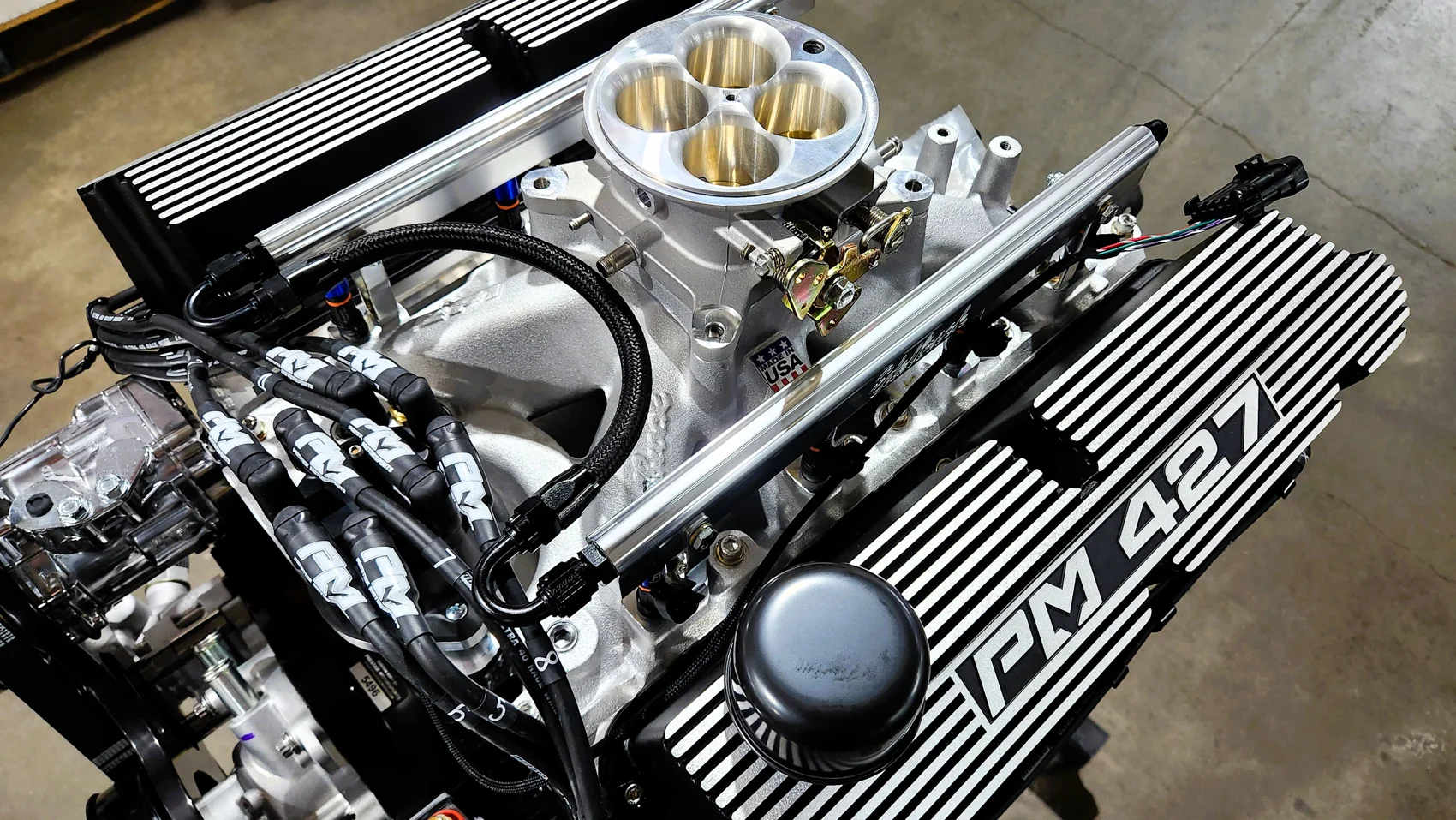
A multi point fuel injection system solves the fuel delivery problem in a very different way.
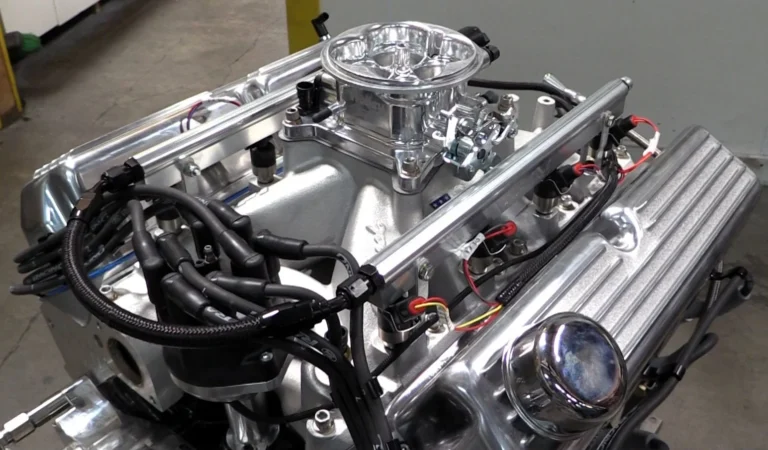
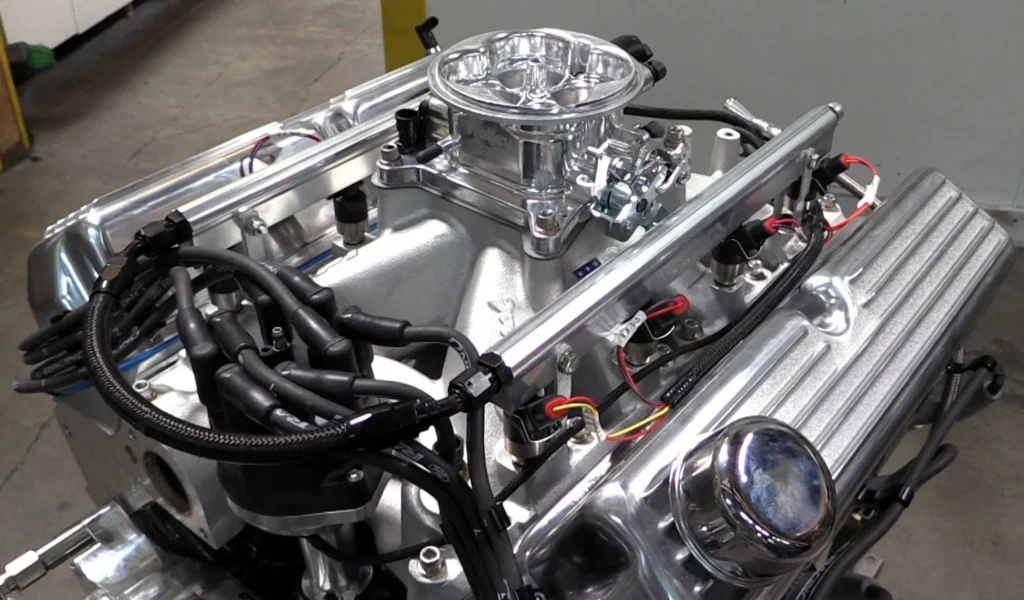
Instead of introducing fuel at a single location like a throttle body does, multi-point systems place one injector at each cylinder’s intake runner. This means each cylinder receives its own precisely metered fuel supply.
The benefits of this design are significant:
- Fuel is delivered closer to the cylinder
- Each cylinder receives more consistent fuel delivery
- The system allows far greater control during ECU tuning
- Engine performance and drivability become more predictable
Over time, automakers moved toward this approach for a reason. By delivering fuel closer to where combustion actually occurs, the engine can be controlled much more precisely.
That precision is one of the main reasons modern vehicles rely on systems similar to multi-point injection — or go even further with direct injection.
Throttle Body vs. Multi-Point Fuel Injection: The Real Difference
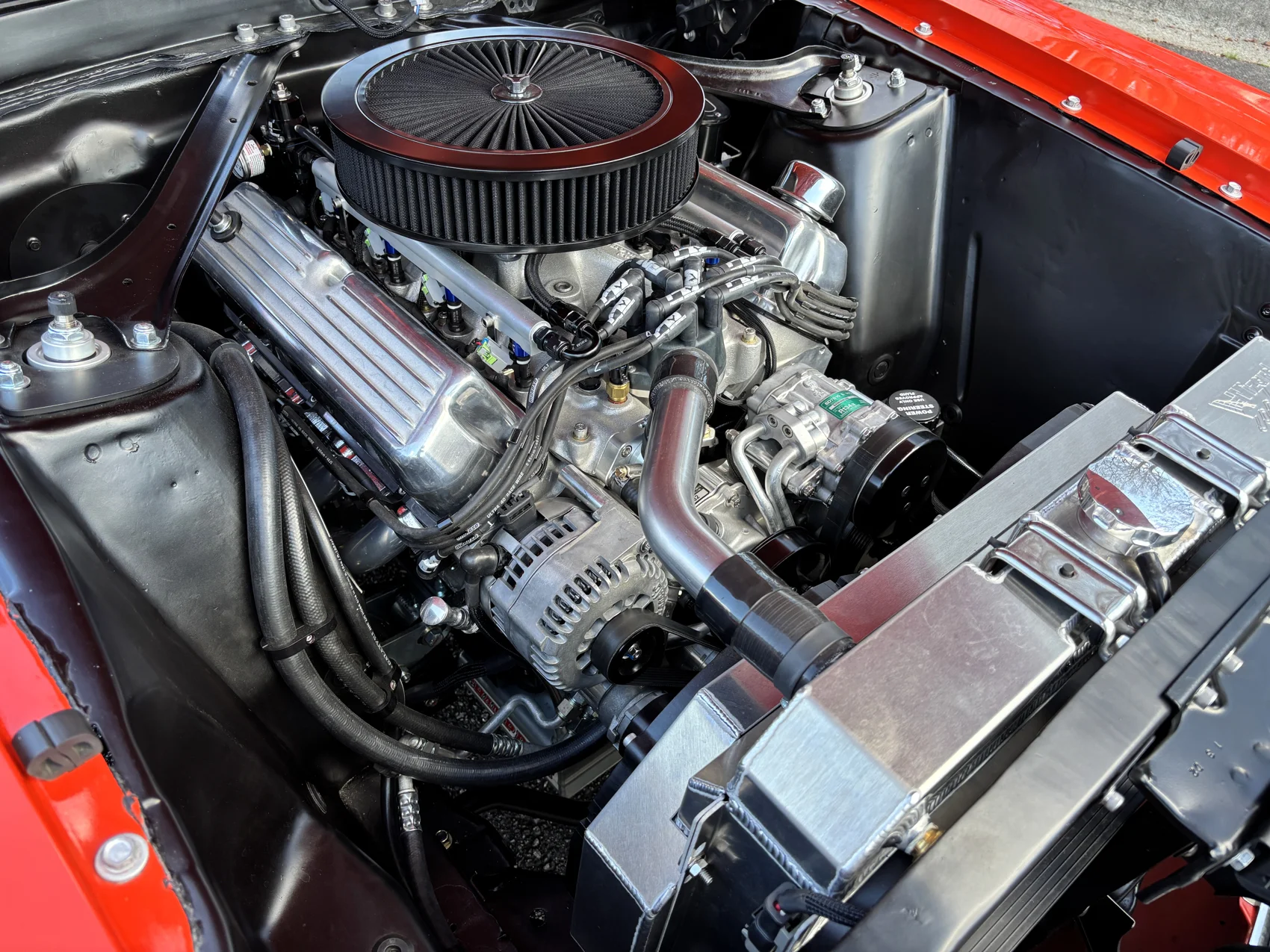
At a basic level, both systems accomplish the same goal: supplying fuel to the engine electronically instead of relying on a carburetor.
The real difference lies in how the fuel reaches the cylinders.
A throttle body system introduces fuel in one central location. From there, the fuel must travel through the intake manifold and distribute itself to each cylinder.
A multi point fuel injection system eliminates this guesswork by delivering fuel directly to each intake runner.
This difference becomes especially important when you consider how intake manifolds are designed. Most manifolds have a combination of longer and shorter runners. Some cylinders naturally pull more air than others, which can affect how evenly fuel is distributed.
With throttle body injection, the system relies heavily on airflow to carry fuel evenly through the manifold. That doesn’t always happen perfectly.
Multi-point injection avoids this problem by feeding each cylinder individually.
Why Fuel Distribution Matters
One of the biggest factors in how an engine performs — and how long it lasts — is consistent fuel delivery across every cylinder.
When some cylinders receive more fuel and others receive less, the engine ends up running unevenly. Some cylinders may run richer, while others run leaner.
That imbalance can lead to several issues over time, including:
- Reduced engine efficiency
- Uneven combustion between cylinders
- Increased wear if lubrication inside the engine is affected
A multi point fuel injection system helps prevent these problems by delivering fuel individually to each cylinder. Instead of trying to distribute fuel through the intake manifold, every injector supplies the exact amount that cylinder needs.
That consistency is a big reason multi-point systems are widely considered the more advanced fuel injection solution.
ECU Tuning and Control

Another major advantage of multi-point systems is the control they offer during ECU tuning.
Electronic fuel injection uses an engine control unit (ECU) to monitor sensors and adjust fuel delivery in real time. With multi-point systems, the ECU has far greater precision over how fuel is delivered.
This makes it easier to:
- Fine-tune drivability
- Adjust performance characteristics
- Diagnose potential issues
- Optimize the engine for different operating conditions
Many multi-point systems can also be tuned using a laptop, allowing experienced builders or tuners to make detailed adjustments.
Throttle body systems often have fewer tuning options available. While some modern systems offer more flexibility, they generally don’t provide the same level of control as a properly configured multi-point setup.
At Prestige Motorsports, the recommendation is clear: multi point fuel injection, controlled by a Holley ECU.
Systems like the Terminator X, X Max, Holley HP, and Dominator give you the level of control that modern builds actually require — not guesswork, not “close enough,” but precise, laptop-based tuning that lets you dial in the combination exactly the way it should be.
The higher-end systems also bring added functionality, including automatic transmission control and drive-by-wire throttle integration — meaning you’re not just upgrading fuel delivery, you’re upgrading how the entire vehicle operates.
Why Throttle Body Systems Became Popular Again
If multi-point systems offer better performance and control, why do throttle body systems still exist?
The answer is installation.
Throttle body fuel injection systems became popular because they offer a simple upgrade path for carbureted engines. For someone performing a carburetor to EFI conversion, replacing the carburetor with a throttle body unit is often the fastest and least complicated option.
In many cases, the installer can:
- Leave the intake manifold unchanged
- Avoid major engine modifications
- Complete the installation quickly
For many hobbyists and DIY builders, that convenience is appealing.
But it’s important to understand that convenience isn’t always the same thing as the best long-term solution.
Why Automakers Moved Away From Throttle Body Injection
Another helpful perspective comes from looking at what the automotive industry has done over time.
Throttle body injection was widely used during the early days of electronic fuel injection. But by the late 1990s, manufacturers had largely moved away from it.
By around 1997–1998, most OEM manufacturers had transitioned to more advanced systems.
Modern engines now rely on:
- Multi-point fuel injection
- Direct injection
Both systems deliver fuel much closer to the cylinder than throttle body injection does.
That shift didn’t happen by accident. It happened because closer, more precise fuel delivery improves efficiency, drivability, and engine control.
Common EFI Problems That Aren’t Actually Tuning Problems
One important detail many people overlook is that EFI systems are extremely sensitive to mechanical issues.
Two of the most common problems seen during EFI installations are vacuum leaks and exhaust leaks.
Vacuum leaks often occur when the intake manifold isn’t sealed properly. This can introduce unmetered air into the engine and make tuning extremely difficult.
Exhaust leaks can also cause serious confusion during ECU tuning. EFI systems depend heavily on oxygen sensors to monitor what’s happening inside the engine. These sensors measure how much oxygen remains in the exhaust after combustion and send that information to the ECU.
If there’s an exhaust leak, fresh air can enter the system and confuse the sensor. The ECU may interpret this as a lean condition and add fuel the engine doesn’t actually need.
These types of issues are often mistaken for tuning problems when they’re actually mechanical installation issues.
Which System Should You Choose?
For many builds, the decision ultimately comes down to priorities.
A throttle body fuel injection system may appeal to someone who wants:
- A quick carburetor replacement
- Simpler installation
- Lower upfront cost
A multi point fuel injection system is typically the better choice for someone who wants:
- Better drivability
- Greater control during ECU tuning
- More consistent fuel delivery
- Improved long-term reliability
While throttle body systems can work well in some situations, many experienced builders prefer multi-point systems because they offer greater precision and flexibility.
The Smart First Step Before Converting to EFI
Whether you choose a throttle body system or a multi-point fuel injection system, one thing remains true:
EFI systems are only as good as their installation.
Proper wiring, sealed intake and exhaust systems, and correct configuration all play a major role in how well the system performs.
Before committing to a system, it’s worth talking to someone who understands how these systems work in the real world — not just on paper.
At Prestige Motorsports, EFI upgrades are approached the same way every engine build is handled: by understanding the vehicle, the engine, and the goals for how it will be used.
If you’re considering a carburetor to EFI conversion or exploring fuel injection options for your build, the best place to start is a conversation with a team that has done it many times before.