How Much Does an Engine Swap Cost?
If you’ve ever asked, “how much does an engine swap cost?”, you’re not alone — and you’re not wrong for asking it.
But here’s the reality most people don’t hear upfront:
There is no single number.
Not because shops are trying to be vague, and not because anyone’s hiding anything — but because an engine swap is almost never just an engine swap.
It’s a system upgrade.
And the moment you increase power, everything around that engine gets put to the test.
That’s where the real cost lives.
Why There’s No Simple Engine Swap Cost
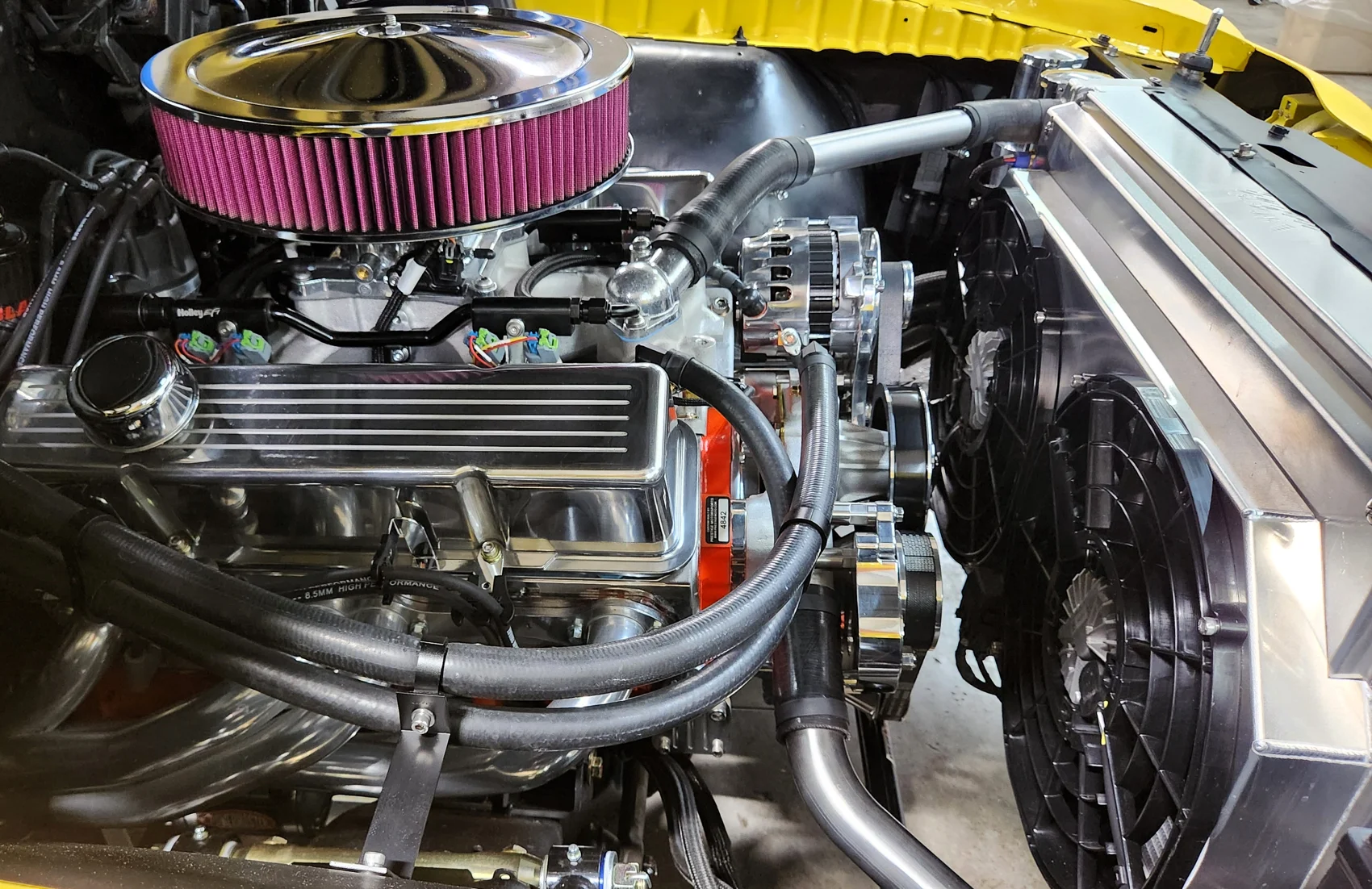
On paper, the question “how much does it cost to swap an engine?” sounds straightforward.
In practice, it depends on what you’re starting with — and what you expect the finished vehicle to do.
Most people are upgrading because:
- Their current engine is worn out
- They want more horsepower
- They’re building a restomod or performance vehicle
What they don’t always realize is this:
If the engine is being upgraded, the systems supporting it usually need to be upgraded too.
That’s where the scope expands — and where the price starts to move.
The Engine Is Only Part of the Cost
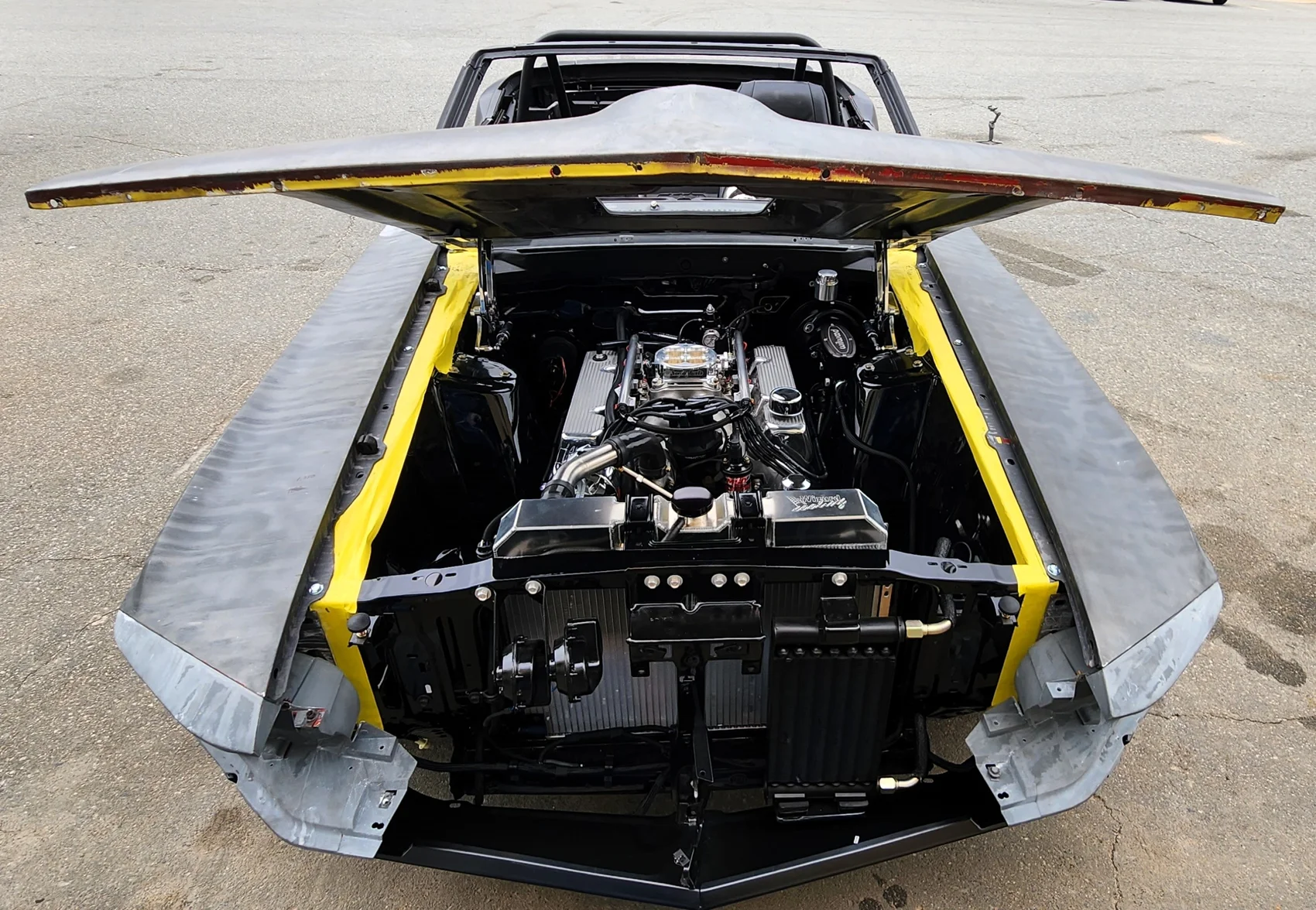
One of the biggest misconceptions about engine swap cost is that the engine itself is the main expense.
Sometimes it is.
But often, it’s not.
A proper engine swap typically includes:
Core Components
- Engine
- Fuel system
- Cooling system
- Exhaust system
- Wiring and electronics
- Transmission and driveline
Labor & Setup
- Installation and fabrication
- Wiring integration
- System configuration
- Tuning and validation
And here’s the part most people don’t budget for:
Those supporting systems aren’t optional.
They’re what allow the engine to live.
The Systems That Drive Engine Swap Cost
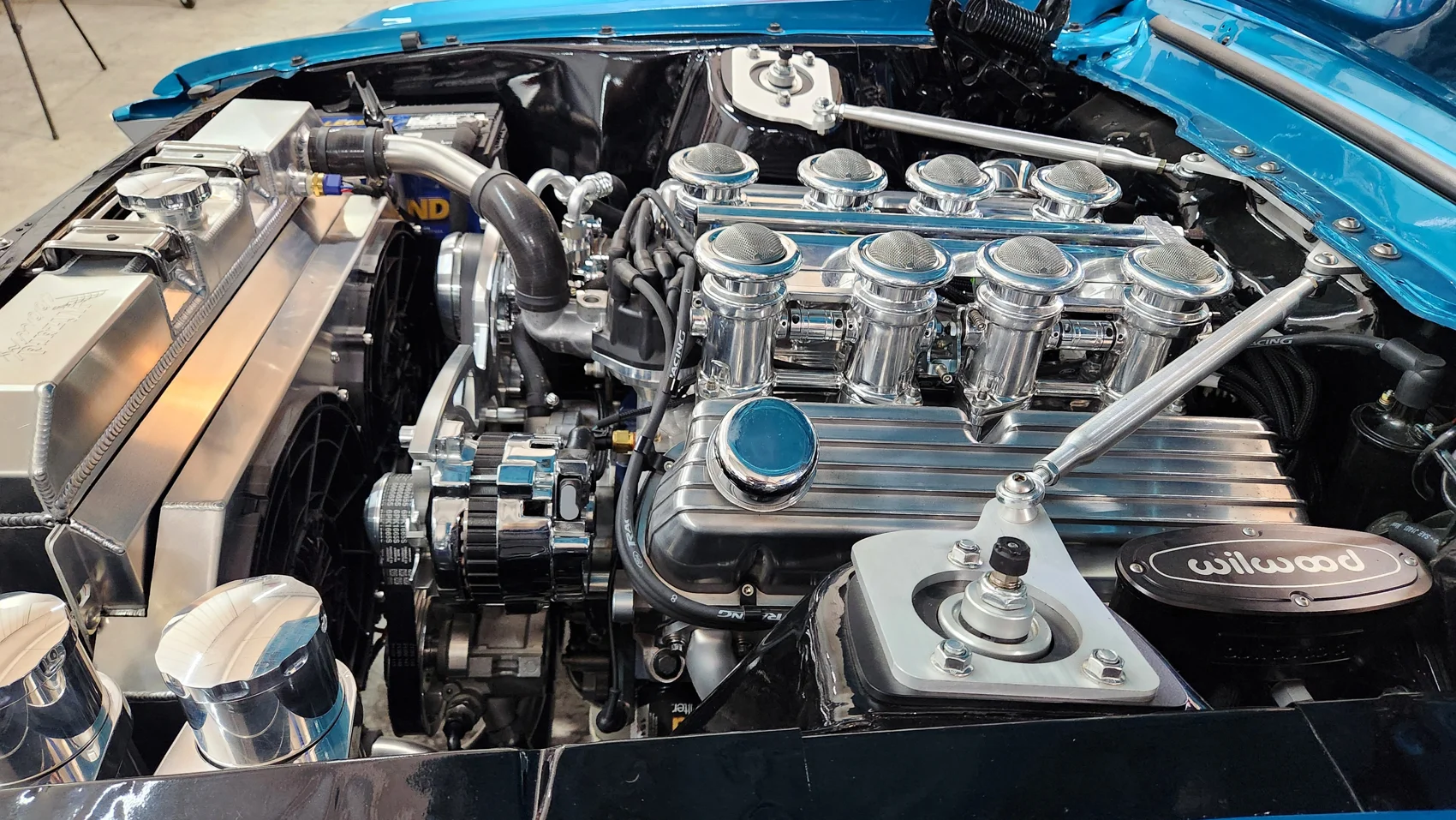
When people ask “how much does an engine swap cost?”, they’re usually thinking about horsepower.
What actually determines the cost is everything that supports it.
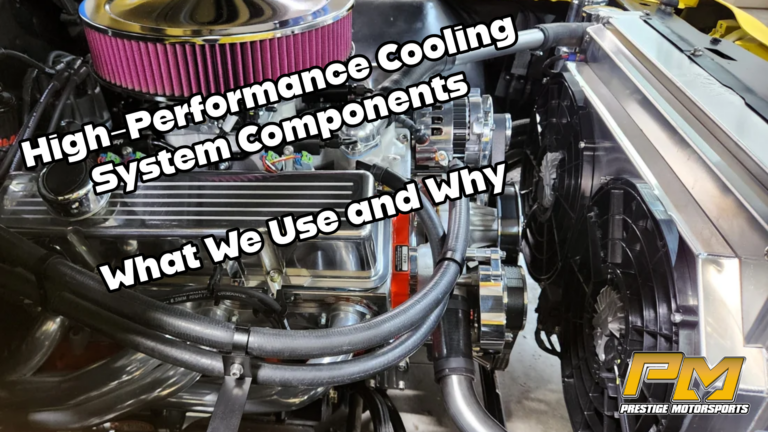
Cooling System
A more powerful engine creates more heat.
If the cooling system can’t keep up, the result isn’t inconvenience — it’s damage.
We regularly see vehicles come in after an engine swap where:
- The cooling system wasn’t upgraded
- The wiring wasn’t correct
- The engine overheated
Now the customer is fixing a brand-new engine — not just finishing a swap.
Fuel System
More power requires more fuel — delivered consistently.
An underbuilt fuel system can create:
- Lean conditions
- Detonation
- Internal engine damage
This is one of the fastest ways to turn a good engine into a problem.
Wiring & Electronics
This is the one almost nobody sees coming.
Older vehicles — especially classic muscle cars — often have:
- Aging wiring
- Inconsistent connections
- Systems never designed for modern electronics
And here’s the reality:
Wiring isn’t just part of the swap.
It’s the foundation that everything depends on.
Rewiring a vehicle can involve:
- Interior disassembly
- Engine removal
- Full harness replacement
- Integration with modern systems
The parts may be manageable.
The labor often isn’t.
The Hidden Costs Most People Miss
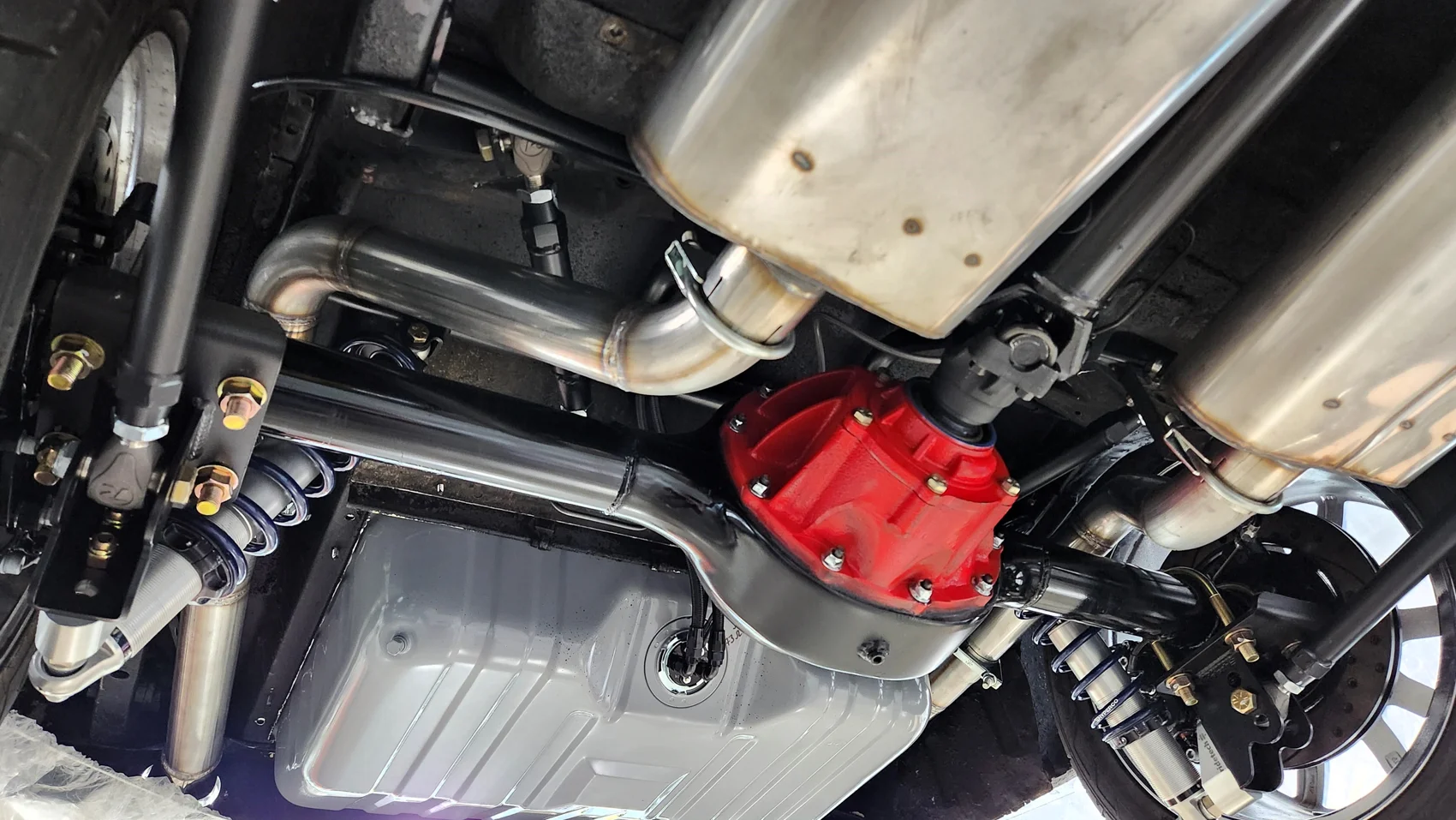
If you want a realistic view of engine swap cost, this is where things start to shift.
1. Labor Adds Up Quickly
Engine swaps are not bolt-in jobs.
They often require:
- Custom fabrication
- Fitment adjustments
- Mounting solutions
- Exhaust routing
- Accessory alignment
And every one of those steps takes time.
2. Older Cars Come With Surprises
Most swaps happen on older vehicles.
Which means:
- Brittle components
- Worn hardware
- Outdated systems
- Unknown previous work
Once you start pulling things apart, you find things you didn’t plan for.
That’s normal — not exceptional.
3. Supporting Systems Multiply the Budget
A common scenario:
Someone budgets for the engine…
But not for everything else.
Then they discover they also need:
- A proper cooling package
- A fuel system upgrade
- A wiring solution
- Possibly a transmission
It doesn’t take long for the project to double in scope.
What a Real Engine Swap Actually Costs
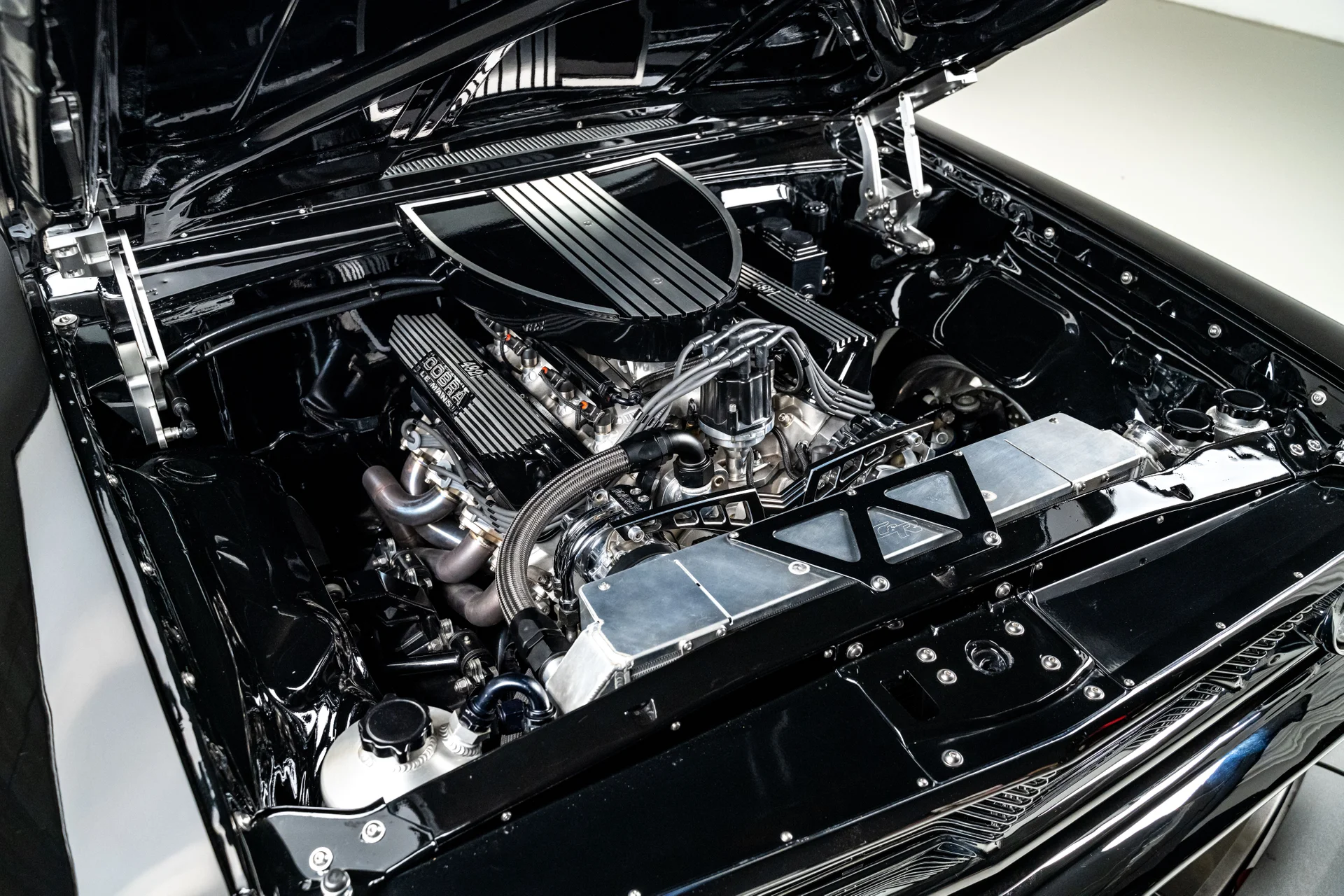
At some point, the question comes back around:
“Okay — but what does an engine swap actually cost?”
Here’s the most honest answer we can give you:
Without a full inspection and discovery process, it’s impossible to quote an exact number — but it is fair to set expectations.
In a properly executed engine swap, labor will often match or exceed the cost of parts.
If your complete driveline package — engine, transmission, fuel system, cooling, and supporting components — lands in the $30,000 to $40,000 range, it is reasonable to expect a similar investment in labor.
Here’s why.
A professional engine swap isn’t just installation. It includes:
- Proper fitment and mounting
- Wiring integration and validation
- Fuel and cooling system upgrades
- Exhaust and driveline alignment
- System testing, tuning, and troubleshooting
When you break that down:
- $30,000 in labor at a $150/hour shop rate equals roughly 200 hours of work
- At 40 hours per week, that’s about five weeks of focused, skilled labor
And that’s not excessive — that’s what it takes to do the job correctly.
As the scope of the project increases, the labor scales with it. More power, more systems, more complexity — more time.
Why That Investment Matters
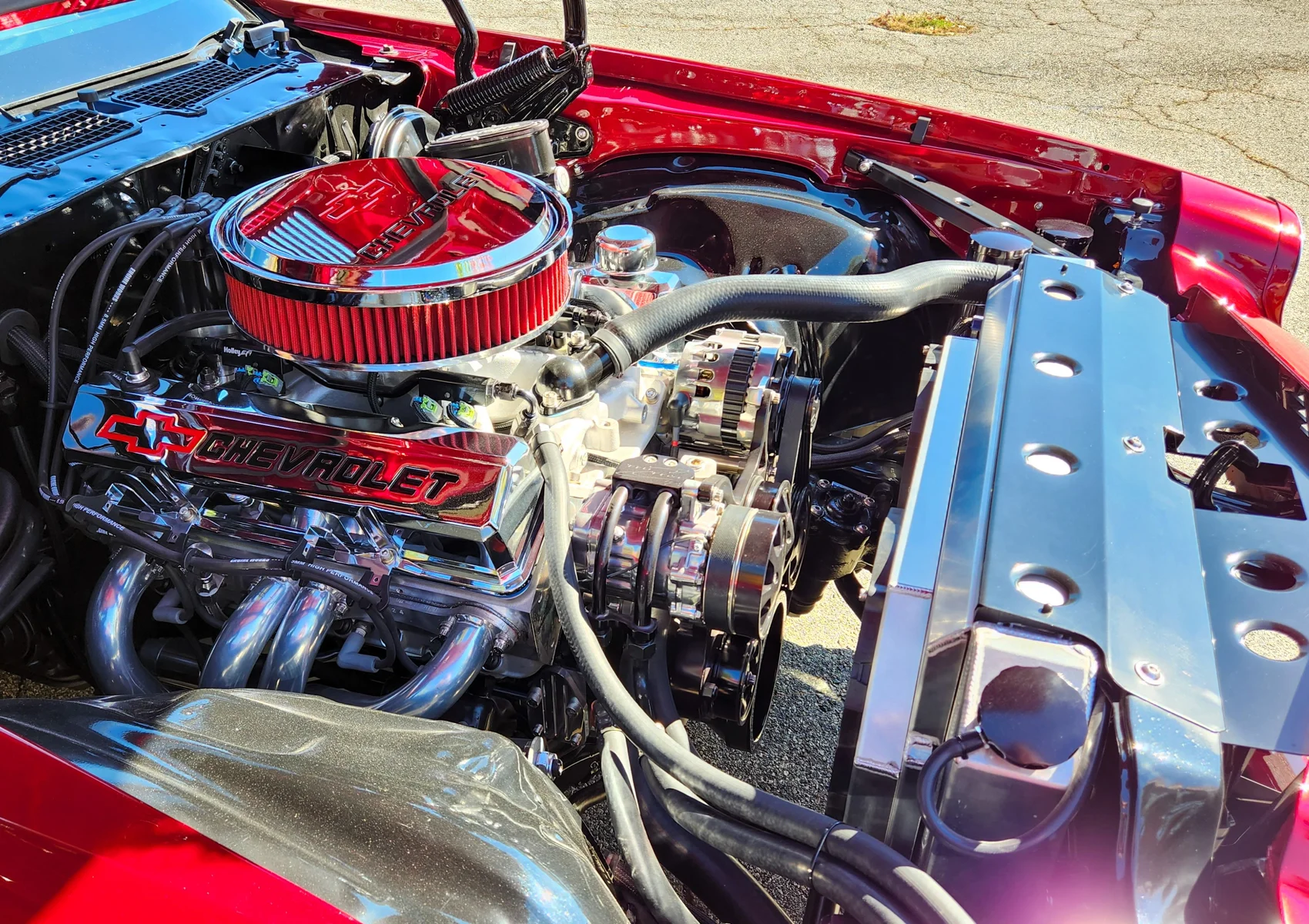
At Prestige Motorsports, the goal isn’t to be the cheapest option.
It’s to be the shop that does it once — and does it right.
The same attention that goes into building engines carries through to installation, restomod upgrades, and complete vehicle builds. Every system is evaluated. Every component is selected to work together. Every detail is accounted for.
Because the alternative is what we see every day:
- Engines installed without proper support systems
- Wiring that creates ongoing issues
- Cooling setups that can’t handle the power
- Vehicles that don’t perform the way they should
Fixing those problems later almost always costs more than doing it correctly the first time.
A One-Stop Approach That Eliminates Guesswork
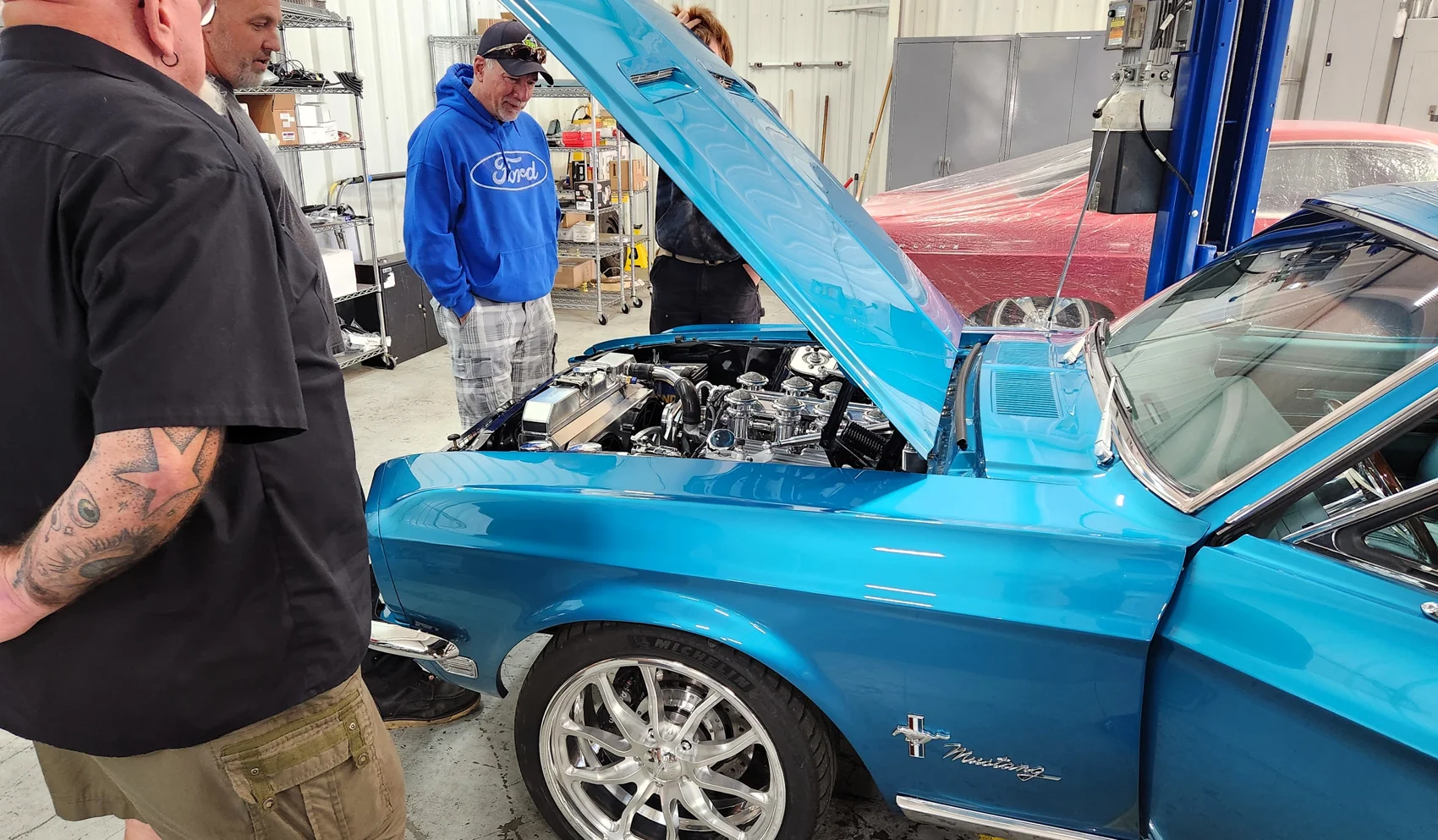
For customers who want a complete solution, Prestige offers a true one-stop shop — from engine packages to full installation and vehicle upgrades.
That means:
- The engine is built with the vehicle in mind
- The supporting systems are designed to match
- The installation is handled by the same team that understands the entire combination
No handoffs. No guesswork. No mismatched components.
Just a complete, validated system — built to perform and built to last.
Setting the Right Expectation Up Front
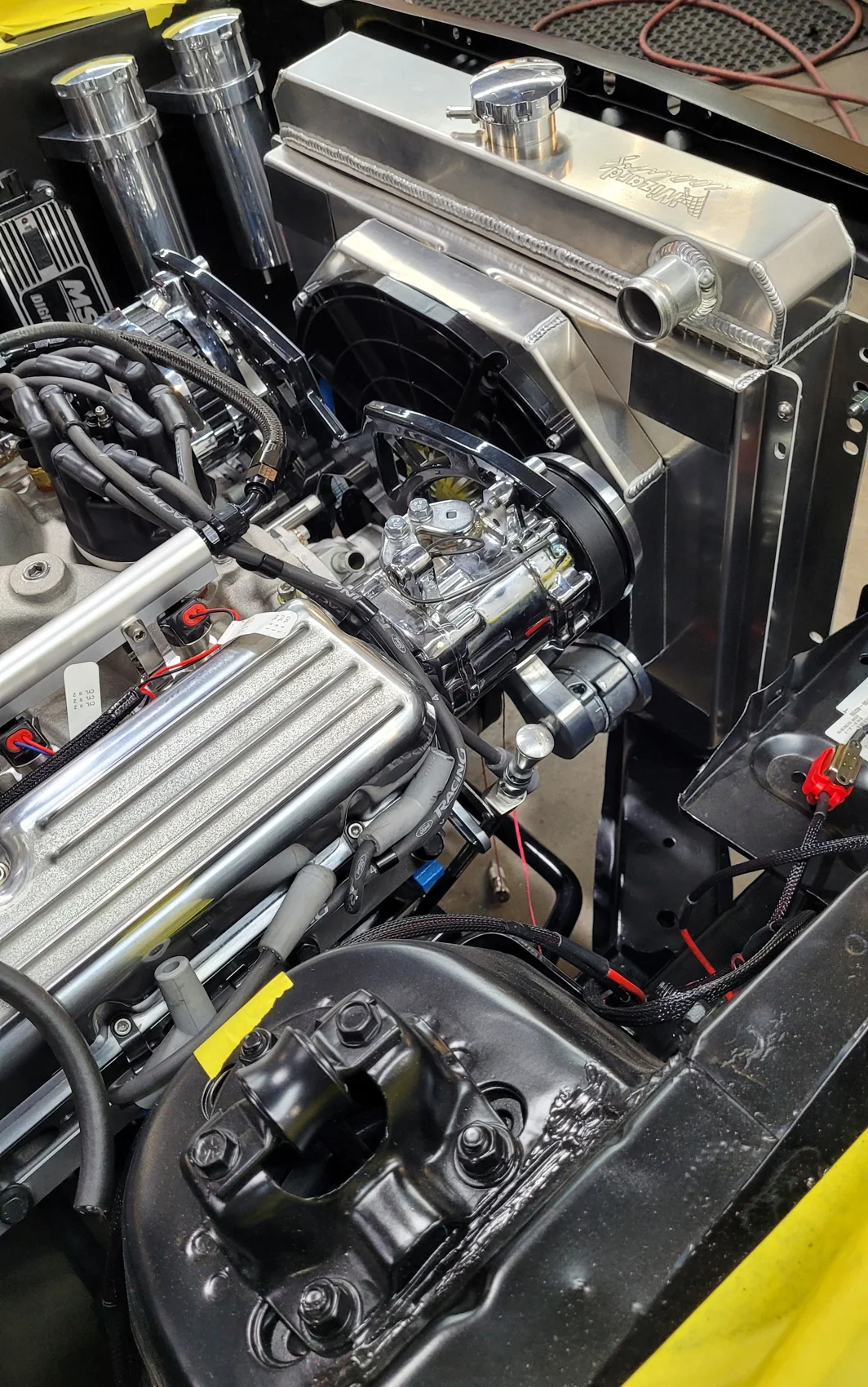
Prestige engines are not built to be the cheapest option on the market.
They are built as complete, uncompromised packages designed for performance, reliability, and long-term satisfaction.
The same is true for the installation.
If you’re looking for the lowest upfront cost, there are other ways to approach an engine swap.
If you’re looking for a vehicle that runs the way it should — with everything working together as a system — this is what it takes.
A Real-World Example
This happens more often than people expect.
A customer installs a new engine through another shop.
On the surface, everything looks fine.
But:
- The cooling system isn’t adequate
- The wiring isn’t correct
- The fuel system is marginal
The engine overheats.
The car doesn’t perform the way it should.
By the time it arrives at a shop to fix it, the customer may need:
- $10,000+ in additional parts
- $10,000–$15,000 in labor
All to correct what should have been addressed the first time.
That’s the difference between a swap and a complete system build.
“Do It Once, Do It Right”
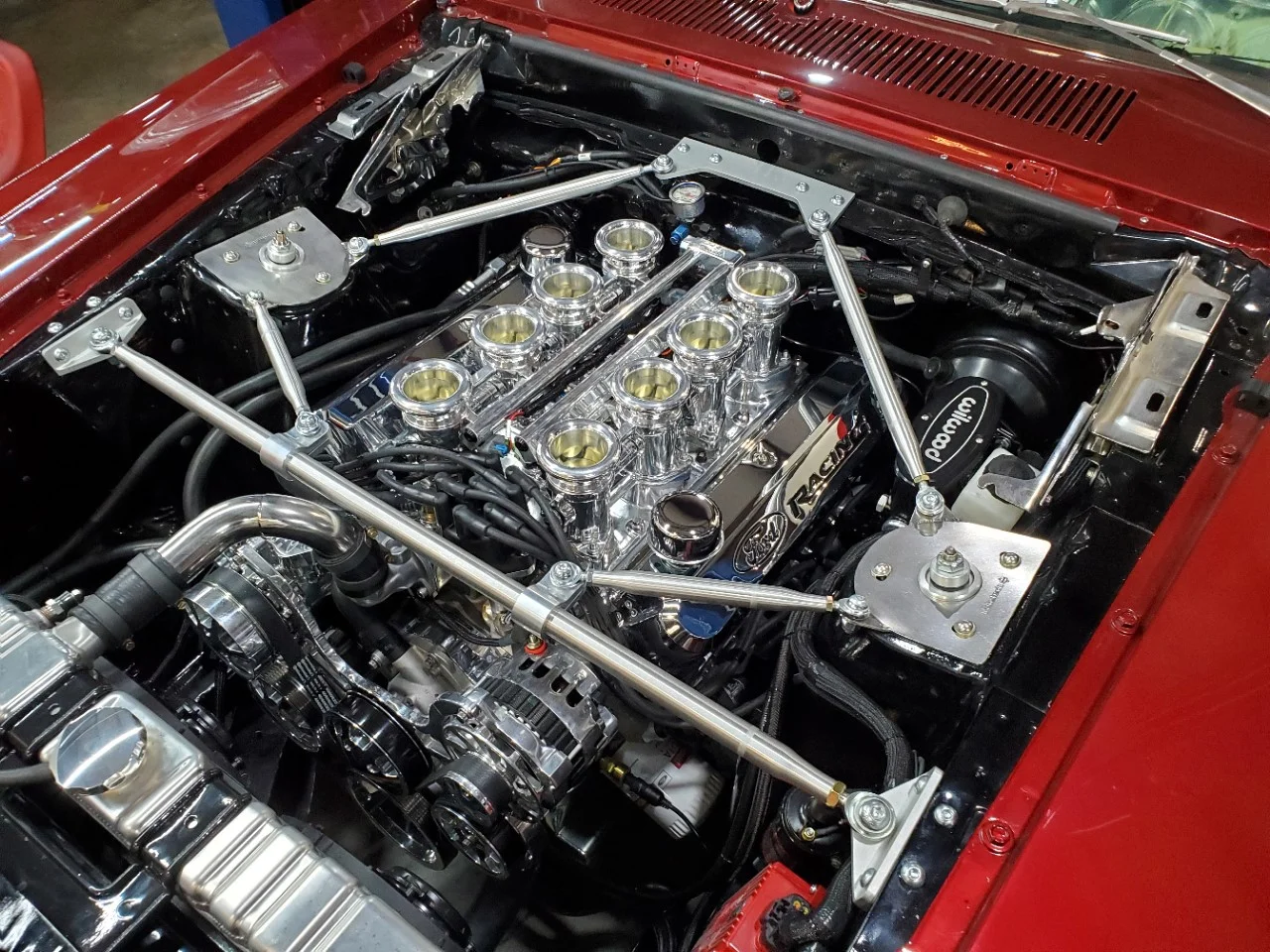
There’s a phrase that comes up a lot in this space:
Good labor isn’t cheap — and cheap labor isn’t good.
Engine swaps reward planning.
They punish shortcuts.
Trying to save money by:
- Reusing outdated systems
- Skipping upgrades
- Choosing the lowest-cost installer
Usually leads to:
- Repeat labor
- Additional parts
- More downtime
And a higher total cost than doing it correctly from the start.
So… How Much Does an Engine Swap Cost?
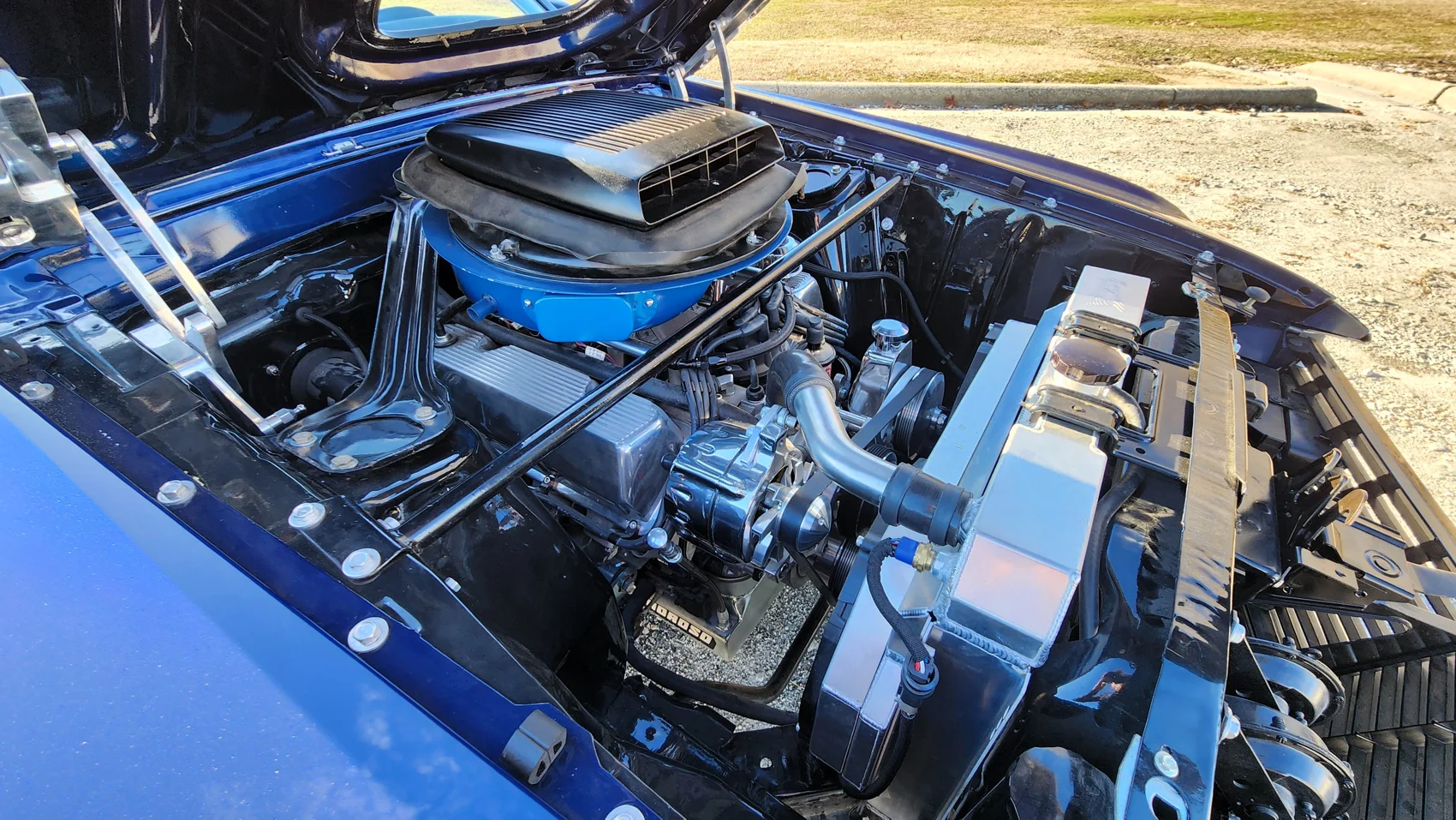
Now we can answer the question honestly.
How much does an engine swap cost?
It depends on:
- The vehicle
- The engine
- The condition of existing systems
- The level of performance
- The quality of installation
In broad terms:
- Basic swaps (minimal upgrades): lower cost, higher risk
- Full system builds: higher upfront cost, better long-term outcome
And in many cases:
Parts and labor can end up being comparable in cost.
When an Engine Swap Makes Sense
An engine swap is often the right move when:
- You’re building a restomod
- You want modern reliability in a classic vehicle
- You’re significantly increasing performance
- The original engine is beyond practical repair
It’s less about replacing an engine —
and more about redefining what the vehicle is capable of.
The Smart First Step
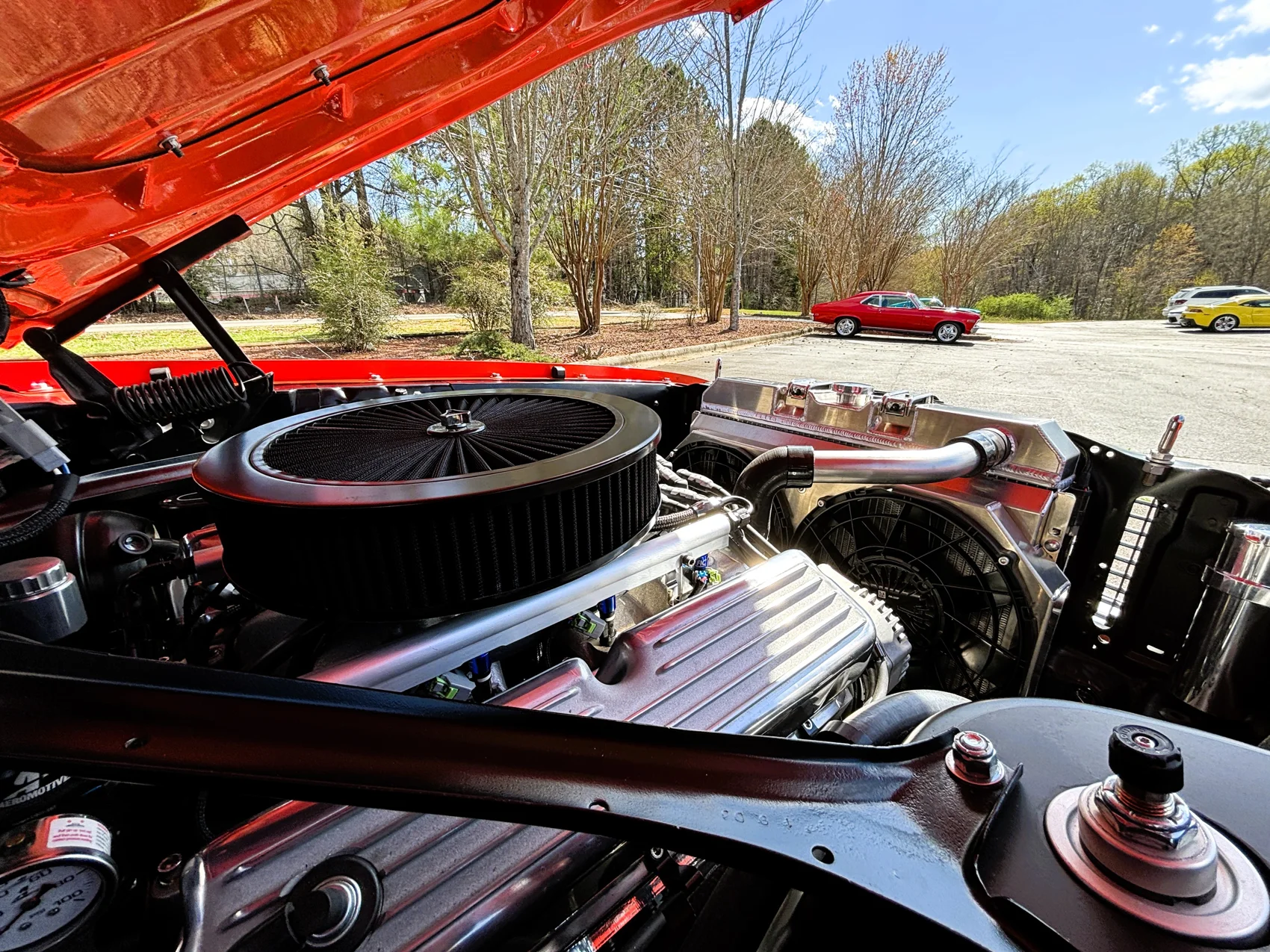
If you’re trying to figure out how much it costs to swap an engine, the best first step isn’t shopping for parts.
It’s clarity.
- What do you want the car to do?
- How will it actually be driven?
- What systems are already in place?
From there, the right plan becomes much clearer.
At Prestige Motorsports, that process starts with a conversation — not a quote.
Because the real goal isn’t just getting an engine in the car.
It’s making sure everything works together the way it should —
the first time.
If you’re considering an engine swap and want to understand what your project really requires, reach out to the team at Prestige Motorsports.
We’ll help you define the scope, the systems, and the path forward — before the project gets expensive for the wrong reasons.