Looking Beyond Labor Costs
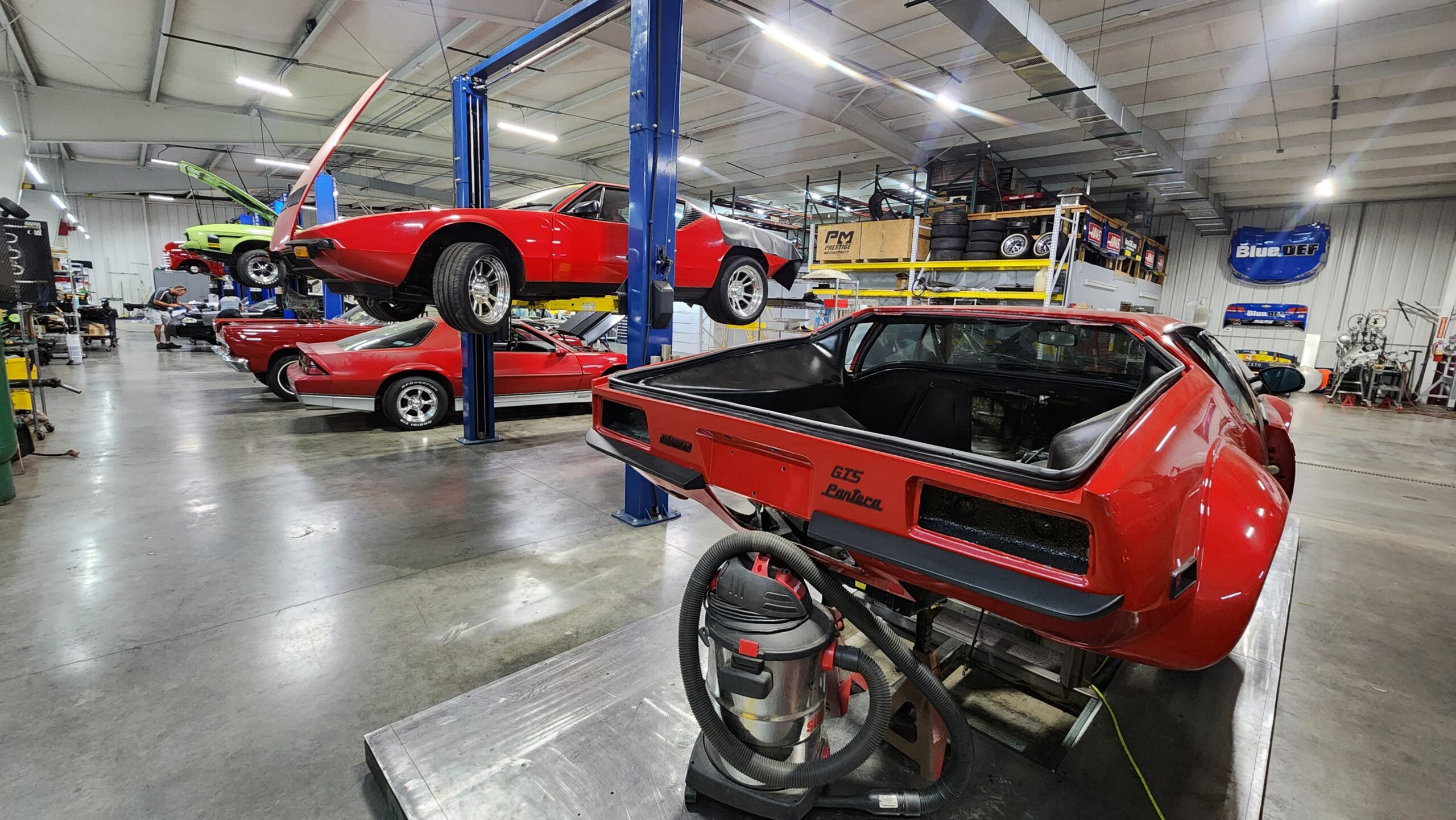
When people compare tackling a project themselves versus hiring an auto performance shop, the conversation almost always starts with labor costs.
“If I do it myself, I’ll save thousands.”
Sometimes that’s absolutely true.
But sometimes the labor you’re trying to save ends up costing more than the labor you would have paid in the first place.
The difference usually isn’t the quality of the parts. It’s the planning behind them.
We don’t believe every project belongs in a professional shop. Many of our customers are knowledgeable enthusiasts who enjoy building their own vehicles and are more than capable of handling portions of a project themselves. Some projects become father-son experiences. Others are about bringing a family heirloom back to life. There’s real value in that.
The real question isn’t whether you should do the work yourself.
It’s whether you’re setting yourself up to do it once.
Or twice.
Why People Choose the DIY Route
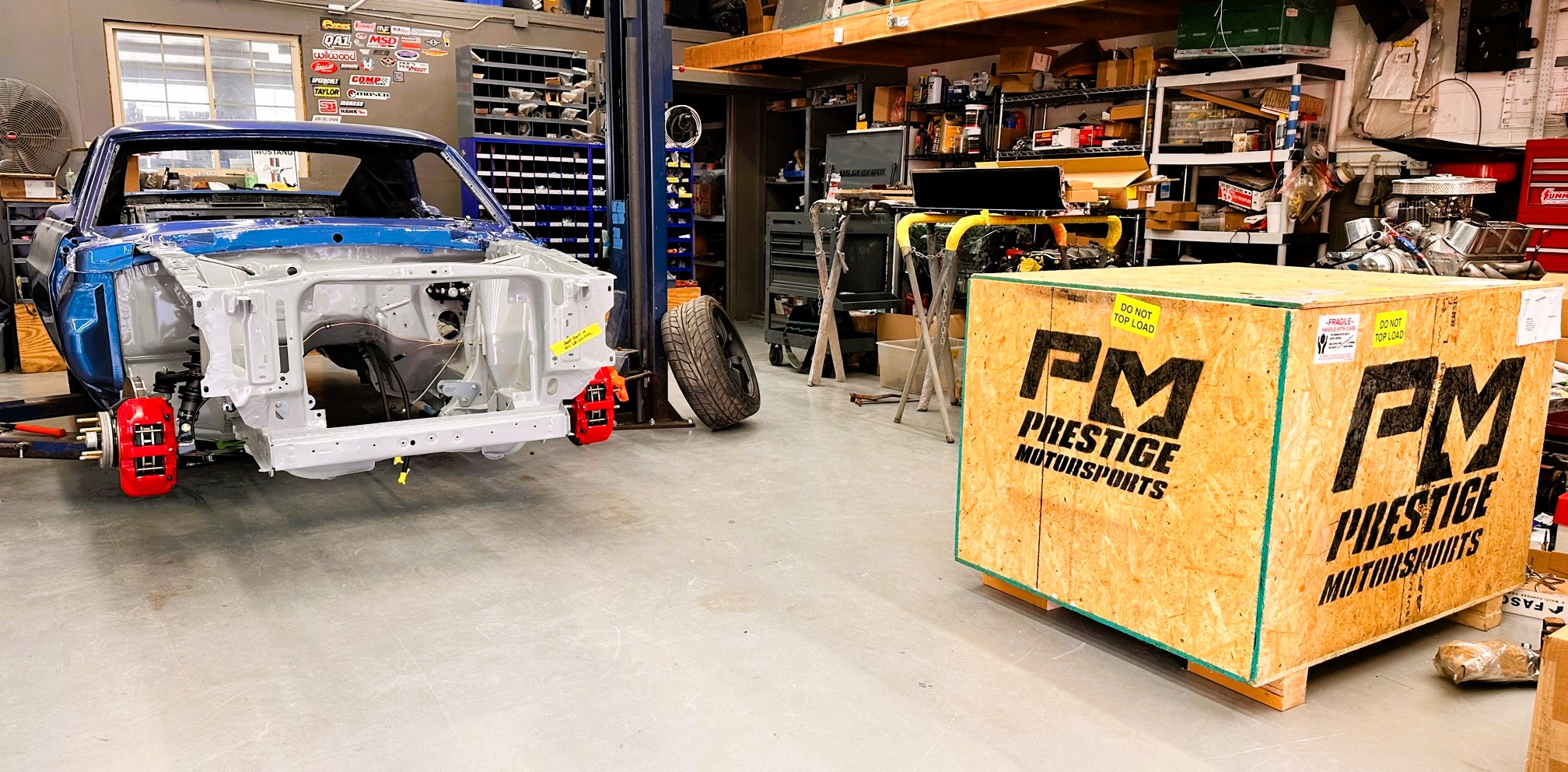
There are plenty of good reasons to tackle a project yourself.
Saving money is certainly one of them, but it’s rarely the only one.
We love seeing people get involved in their own builds.
Some customers enjoy learning new skills. Others want to understand their vehicle inside and out. And for some, the project itself is the reason they’re doing it. It’s time spent with family, friends, or simply doing something they enjoy.
That’s why we don’t believe every project belongs in a performance shop.
We do believe every builder should honestly evaluate where they have the experience, tools, and time to succeed, and where a little professional guidance can prevent expensive mistakes.
Where DIY Actually Makes Sense
Not every project requires a professional shop.
For someone with experience, the right tools, and enough time, many upgrades can be completed successfully at home. On the other hand, if your goal is to minimize guesswork and start with a proven combination, our Ultimate Turnkey Package brings together the major components into a single, fully integrated package.
Projects that often make good DIY candidates include:
- Routine maintenance
- Cosmetic improvements
- Bolt-on accessories
- Interior upgrades
- Certain portions of a larger custom car build
Builders who already have fabrication experience, a well-equipped workshop, and years of hands-on experience are naturally better positioned to take on more complex work.
Every builder has strengths. Some are comfortable fabricating parts, wiring complete vehicles, or tuning EFI systems. Others are more confident handling assembly, bodywork, or finishing work.
The key is being honest about where your strengths lie. Recognizing when a project has moved beyond your experience isn’t admitting defeat. It’s often what keeps the project moving and prevents expensive mistakes later.
Where DIY Starts Becoming Expensive
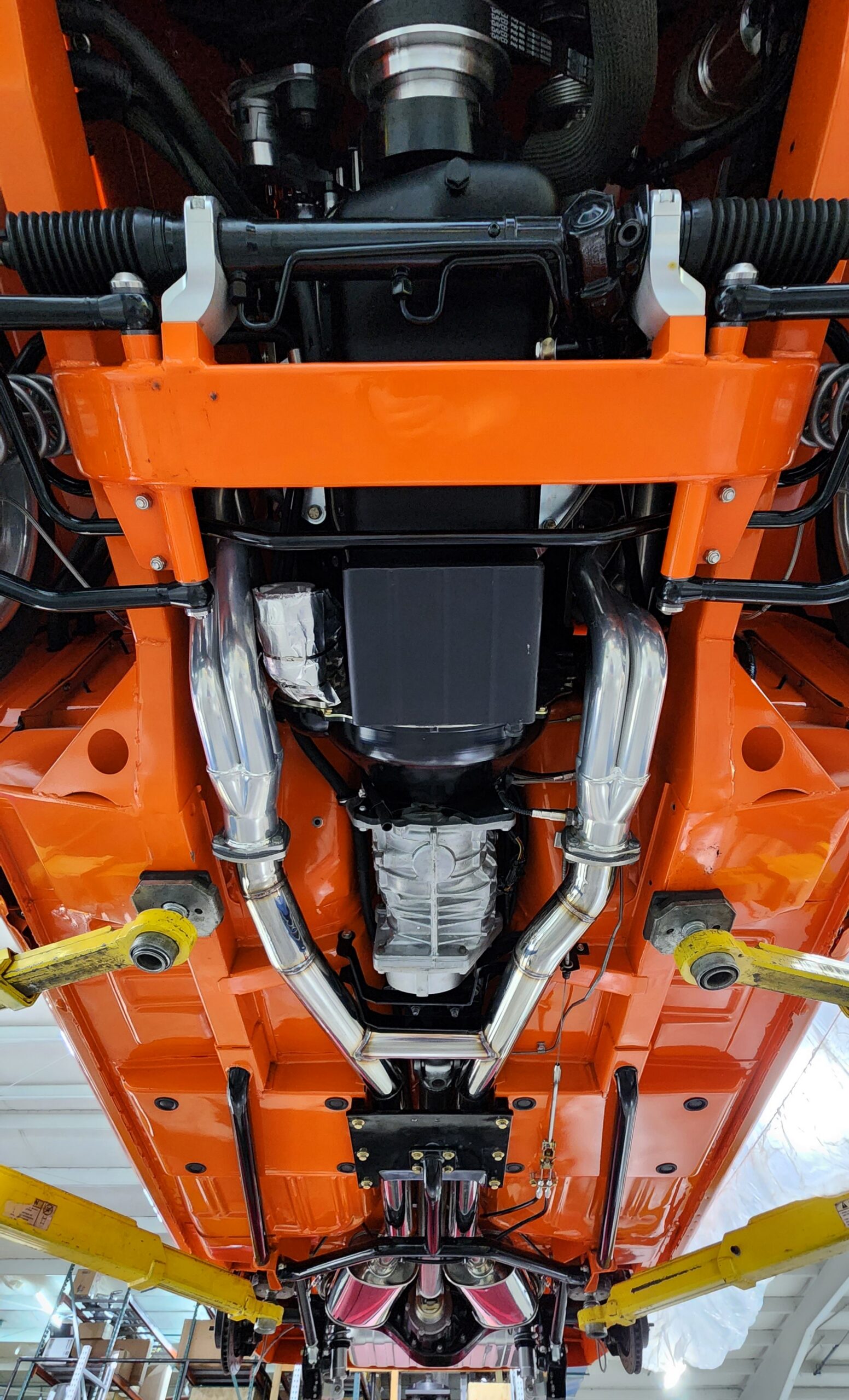
The projects that tend to snowball aren’t necessarily the hardest ones.
They’re the ones where every decision affects several other systems.
For example:
- Installing a muscle car engine
- Engine swaps
- EFI conversions
- EFI conversions often become turning points in a build because they affect fuel delivery, wiring, tuning, and electronics. If you’re comparing systems, our guide on Throttle Body vs. Multi-Point Fuel Injection explains why system choice matters.
- Complete driveline upgrades
- Suspension modernization
- Custom wiring
- Full vehicle restoration
This is where many people begin searching for engine swap shops after discovering the project has grown far beyond its original scope.
Installing the engine itself may not be particularly difficult.
Making everything work together afterward is where the real challenge begins.
Cooling.
Fuel delivery.
Electronics.
Driveline angles.
Transmission compatibility.
Suspension geometry.
Packaging.
Each decision influences the next.
Without a plan, solving one problem often creates another.
The Hidden Costs Most People Never Budget For
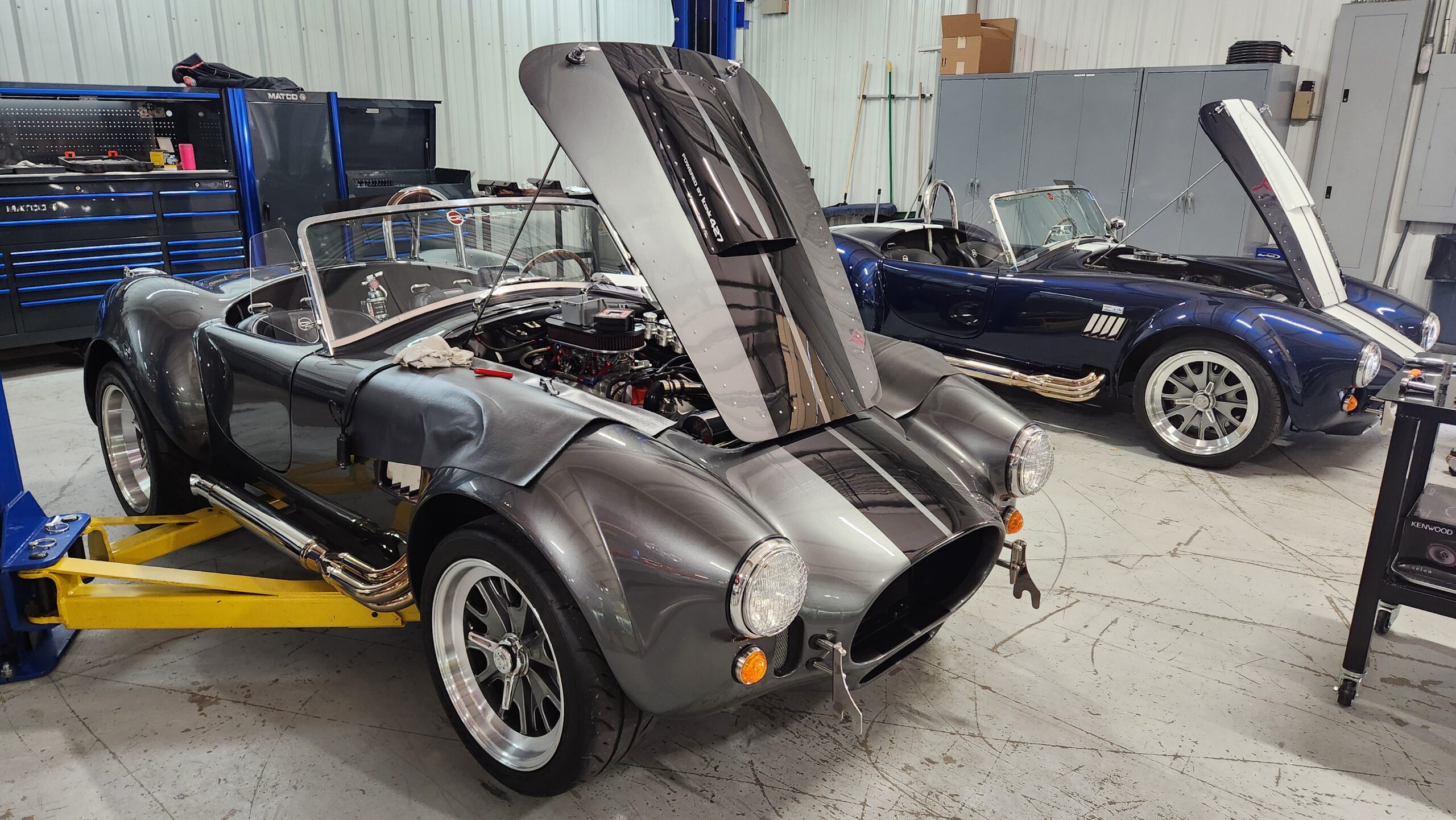
Most people begin a project with a pretty good idea of what the major components will cost.
What catches them off guard are all the supporting expenses that come afterward. The specialty tools. The fabrication work. The replacement hardware. The shipping charges. The little purchases that seem insignificant until you’ve made dozens of them.
Before long, the budget starts looking very different than it did on day one.
Some of the most commonly overlooked costs include:
- Specialty tools
- Welding equipment
- Fabrication tools
- Machining equipment
- Shipping
- Replacement hardware
- Consumables
- Rework
- Replacement parts
Sometimes the biggest expense isn’t even money.
It’s time.
We’ve talked with customers who expected to finish a project over the winter only to still be working on it years later.
One customer recently called us after spending nearly four years trying to finish his build himself. Eventually, he realized he’d rather spend time driving the car than continuing to work on it.
That’s a question every builder should ask:
What is your time worth?
Because every weekend spent chasing parts, waiting on hardware, or redoing work is a weekend you’re not enjoying the car.
Why Professional Shops Provide More Than Labor
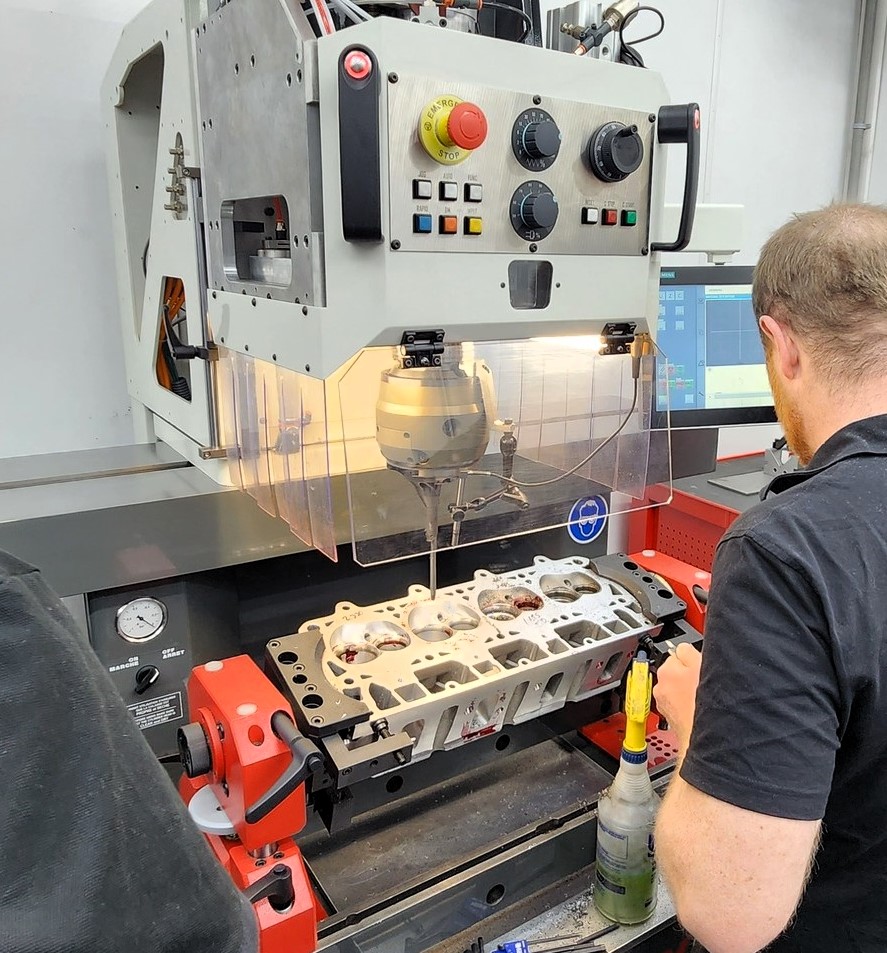
Many people assume they’re paying a performance shop simply to install parts.
That’s only a small part of what you’re actually getting.
A quality custom car shop brings experience that’s difficult to measure until something goes wrong.
That includes:
- Planning complete vehicle systems
- Selecting compatible components
- Established relationships with trusted manufacturers
- Proven installation procedures
- Specialized diagnostic equipment
- Documentation
- Real-world testing
We’re constantly thinking about how one system affects another.
Will this fuel system support the engine?
Will this cooling package fit without compromising airflow?
Will this transmission work with the intended gearing?
Will the wiring support future upgrades?
Those questions are answered before parts are ordered, not after they’re installed.
That’s where experience saves money.
Curious what separates a true performance shop from a general repair or installation facility? Our article What Makes a True Performance Shop Different? explores the planning, systems integration, and long-term thinking that go into successful builds.
Classic Car Restoration Is About Systems, Not Individual Parts
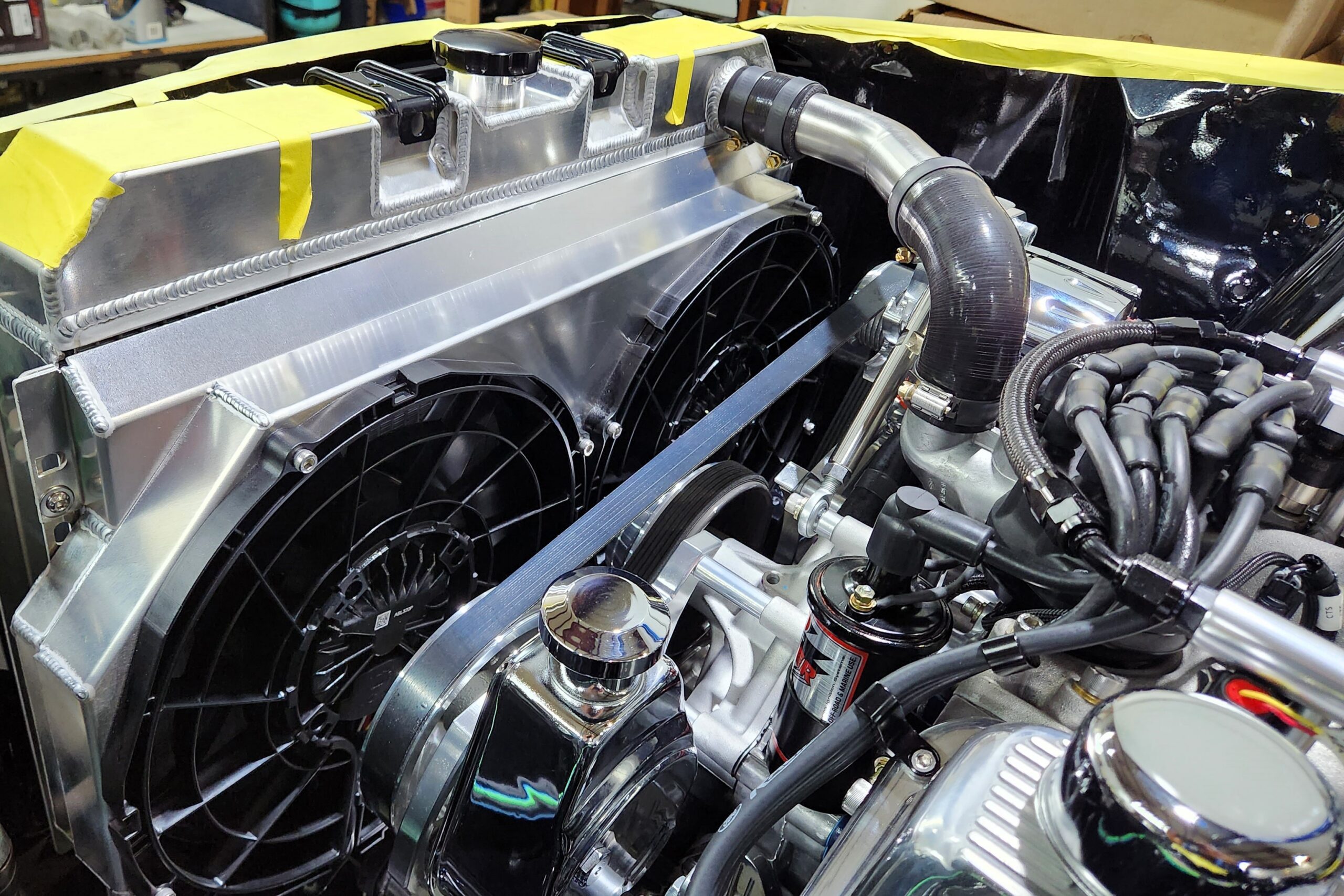
One of the biggest mistakes we see is treating a vehicle as a collection of independent upgrades.
It isn’t.
A proper classic car restoration is really about building a complete system.
That means considering:
- Engine
- Fuel system
- Cooling system
- Suspension
- Brakes
- Steering
- Electronics
- Wiring harness
- Transmission
- Rear axle
You can install an outstanding engine.
But if the cooling system can’t support it…
If the wiring is unreliable…
If the fuel delivery isn’t adequate…
The entire project suffers.
The best builds aren’t simply the ones with the best parts.
They’re the ones where every component was selected to work together.
Of course, choosing the right engine is the first step. If you’re still weighing your options, check out our guide on How to Choose the Best Engine for My Classic Muscle Car before committing to a build.
Choosing the Right Restoration Shop Matters Too
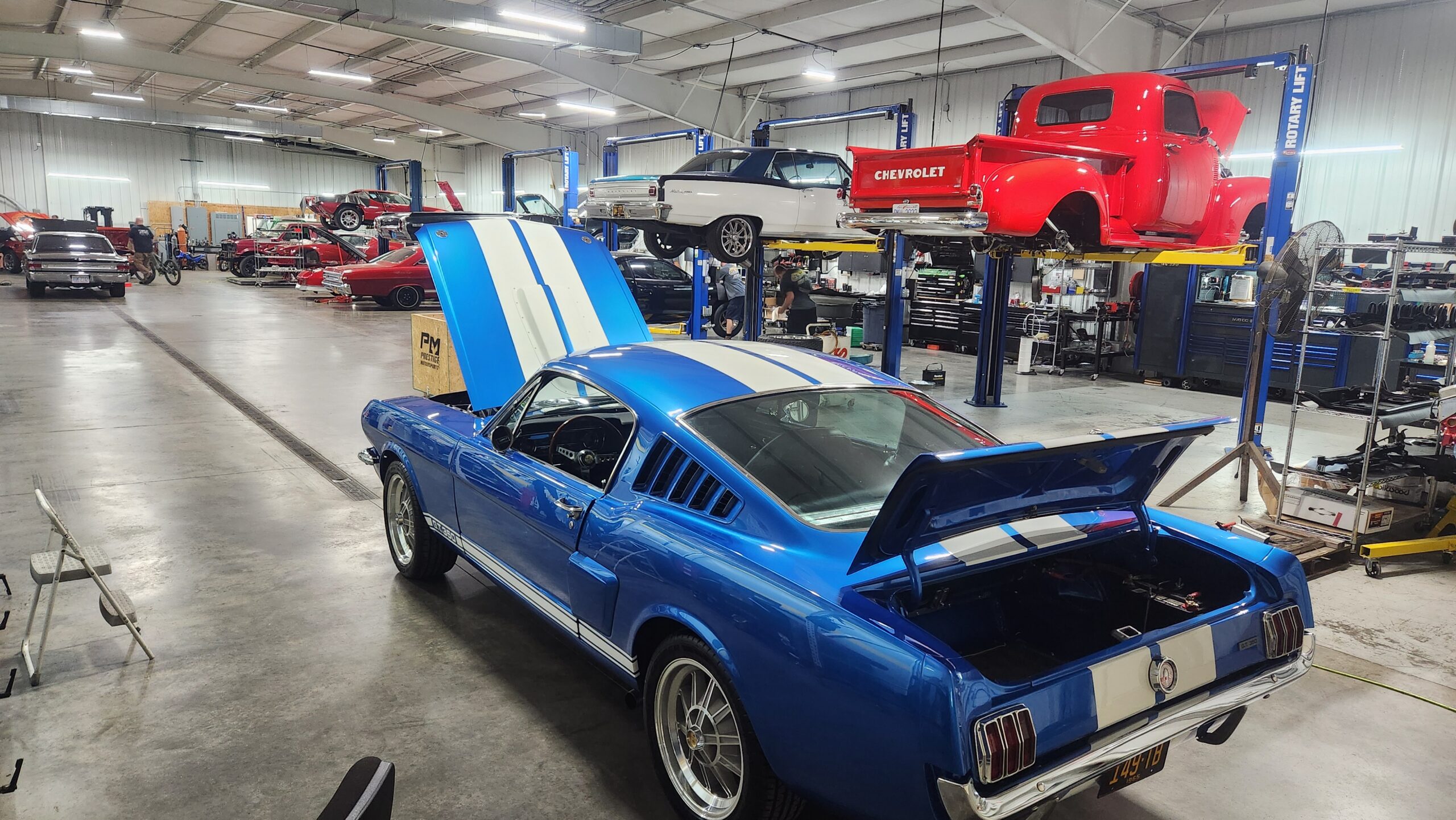
Hiring a professional doesn’t automatically guarantee success.
There are outstanding shops.
There are average shops.
And there are shops that simply aren’t equipped for complex projects.
That’s why researching car restoration shops is just as important as researching parts.
Look for a restoration shop that:
- Specializes in the type of build you want
- Has documented experience
- Communicates clearly
- Uses proven combinations
- Has strong customer reviews
- Stands behind its work
- Lets you tour the shop and check out in-progress projects
We’re always happy when customers ask questions.
An informed customer usually ends up with a better project.
A Hybrid Approach Sometimes Saves Money
One thing we discuss from time to time is sharing the project.
Not every customer needs to choose between doing everything themselves or handing over the entire vehicle.
Some of the best builds happen when everyone works within their strengths.
We’ve had customers complete bodywork, paint, interior installation, or final assembly themselves while we handled:
- Engine installation
- Wiring
- Fuel injection
- Tuning
- Systems integration
That approach often delivers the best of both worlds.
Customers stay involved in the project while avoiding the portions most likely to create expensive problems later.
What Drives Classic Car Restoration Cost?
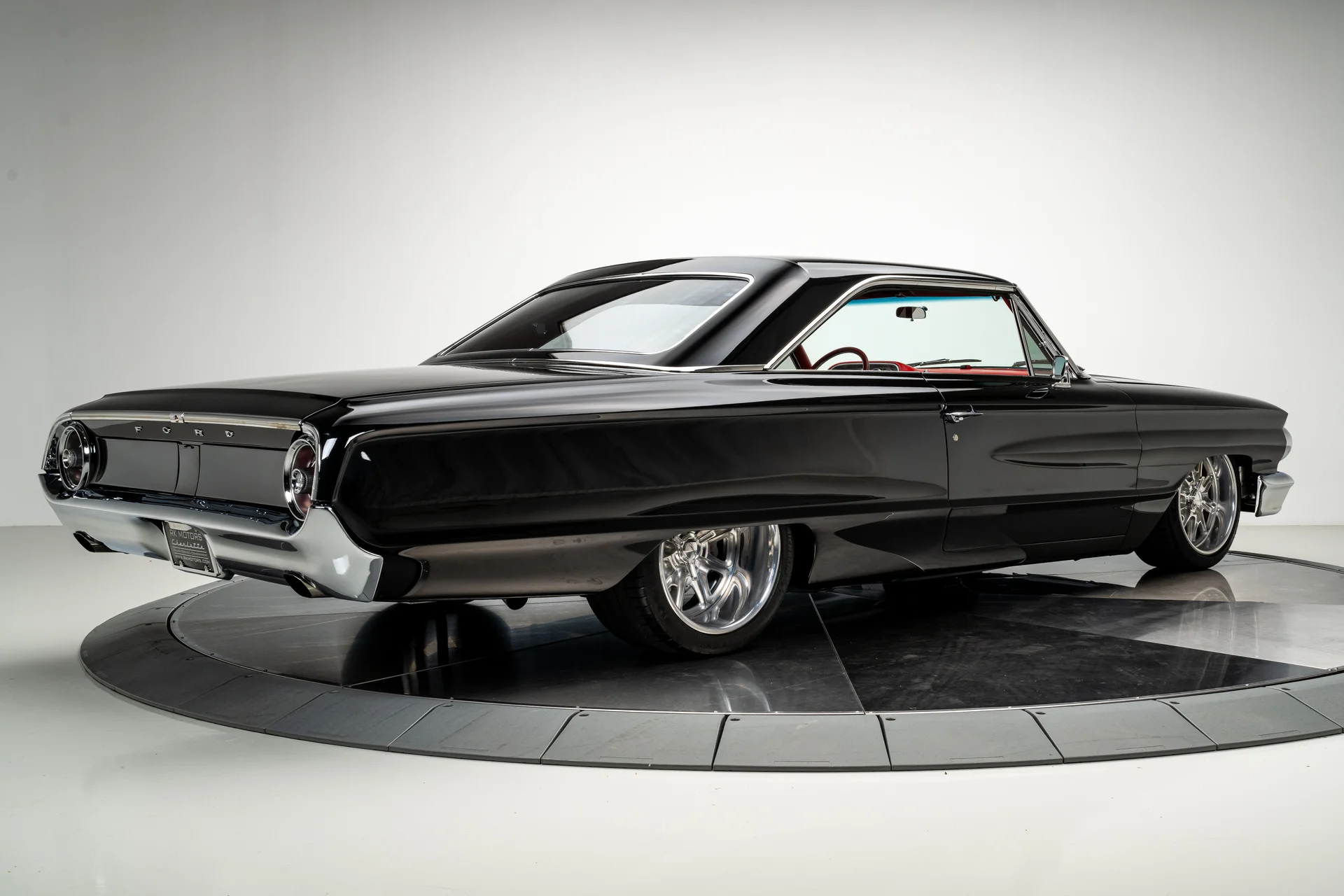
People often ask about classic car restoration cost, assuming the answer comes down to parts.
In reality, planning has just as much influence on the final investment.
Projects become expensive when:
- Components don’t work together.
- Parts have to be replaced.
- Systems need to be redesigned.
- Work has to be redone.
- The project stalls for months or years.
One of the biggest opportunities we see isn’t fixing mistakes. It’s helping customers avoid them in the first place.
Before you start ordering engines, fuel systems, suspension parts, or electronics, develop a plan for the entire vehicle. That upfront planning helps ensure every purchase supports the overall build instead of becoming an expensive detour.
If your project involves rebuilding your existing engine rather than replacing it, component selection becomes just as important as installation. Read our guide on Choosing the Right Parts for an Engine Rebuild to learn how professional builders match parts to the intended application.
If you’re planning an engine swap, you may also find our guide on How Much Does an Engine Swap Cost? helpful, as it breaks down many of the supporting upgrades people don’t initially budget for.
The Smartest First Step Before Turning a Wrench
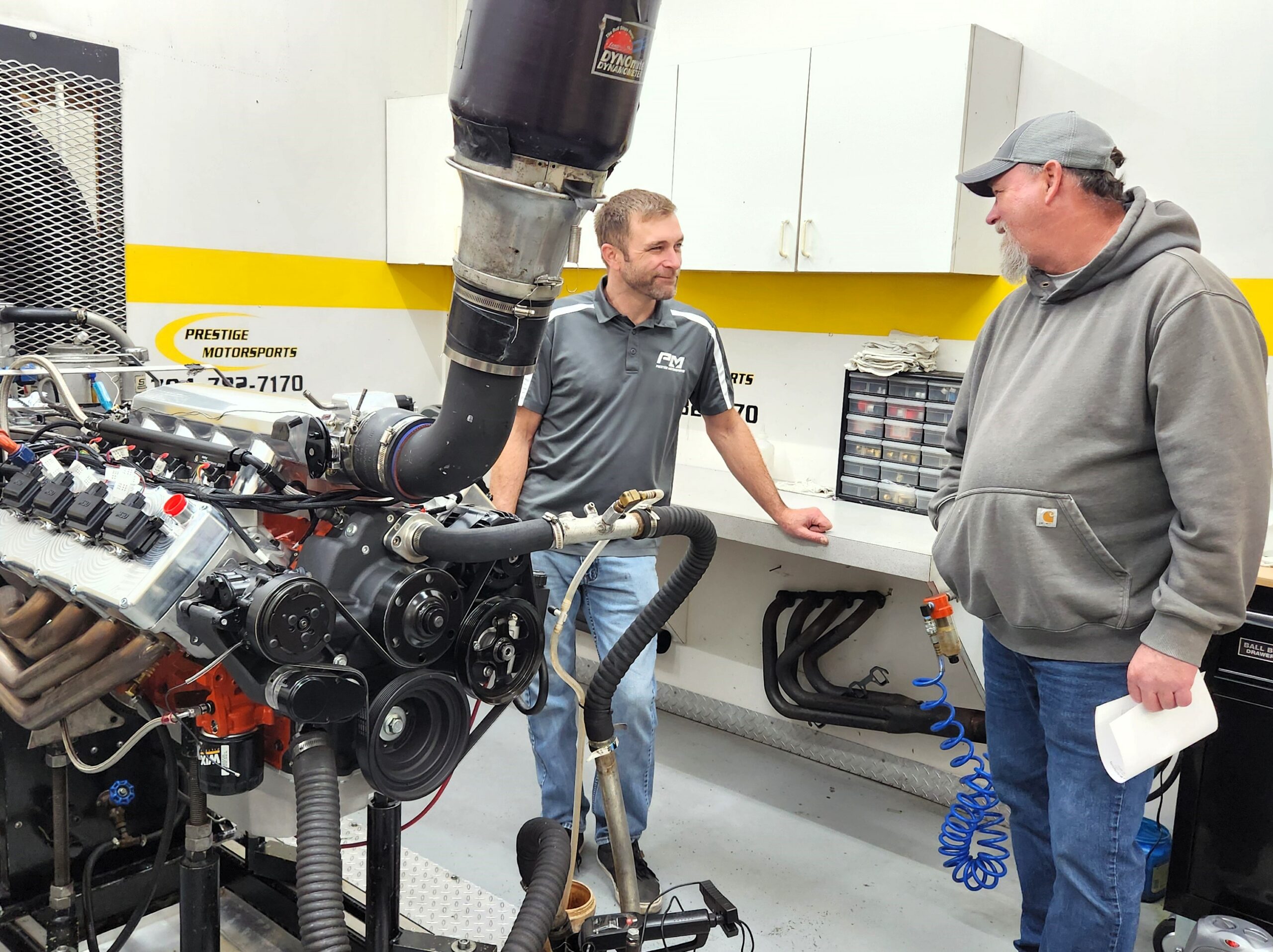
If you’re debating whether to tackle a project yourself or hire an auto performance shop, the smartest thing you can do isn’t buy parts.
It’s have a conversation.
Research the shop.
Ask questions.
Discuss your goals.
Develop a plan before spending money.
In many cases, we’ll encourage customers to complete portions of the project themselves if it makes sense.
What we’d rather avoid is watching someone spend months — or years — going down the wrong path simply because they didn’t have a roadmap from the beginning.
Whether you’re planning a full custom car build, a classic car restoration, or simply upgrading a muscle car engine, success almost always starts the same way:
With a plan.
At Prestige Motorsports, we’re happy to help you build that plan, whether we complete the entire project or simply help point you in the right direction.