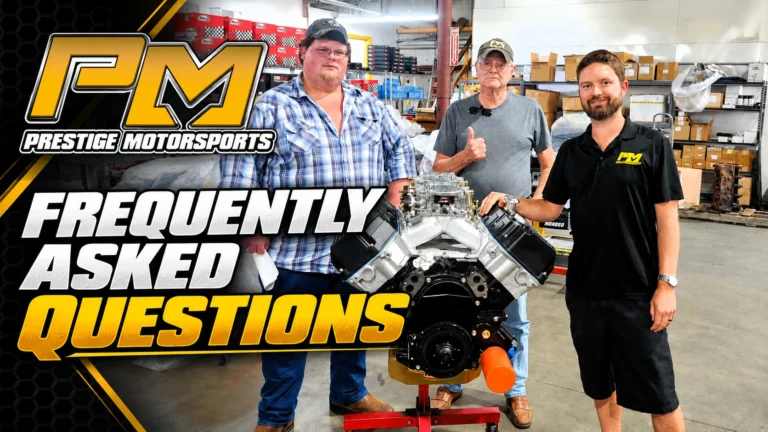
You’ve Got Questions. We’ve Probably Heard Them Before.
Buying a performance engine is exciting. But it can also raise a lot of questions.
Will it fit under your hood? What headers should you use? Can you add a supercharger later? And what else might you need to change in your vehicle to handle the additional horsepower?
These are the kinds of questions we hear every day at Prestige Motorsports.
And while some have straightforward answers, others depend on the engine you’re considering, the vehicle you’re putting it in, and what you ultimately want that vehicle to do.
We’ve put together answers to some of the most common questions our customers ask, with insights from our engine-building team.
Whether you’re comparing engine packages, planning a project, or getting ready to place an order, here’s what you should know.
Engine Fitment & Compatibility FAQs
Will this engine fit under my hood?
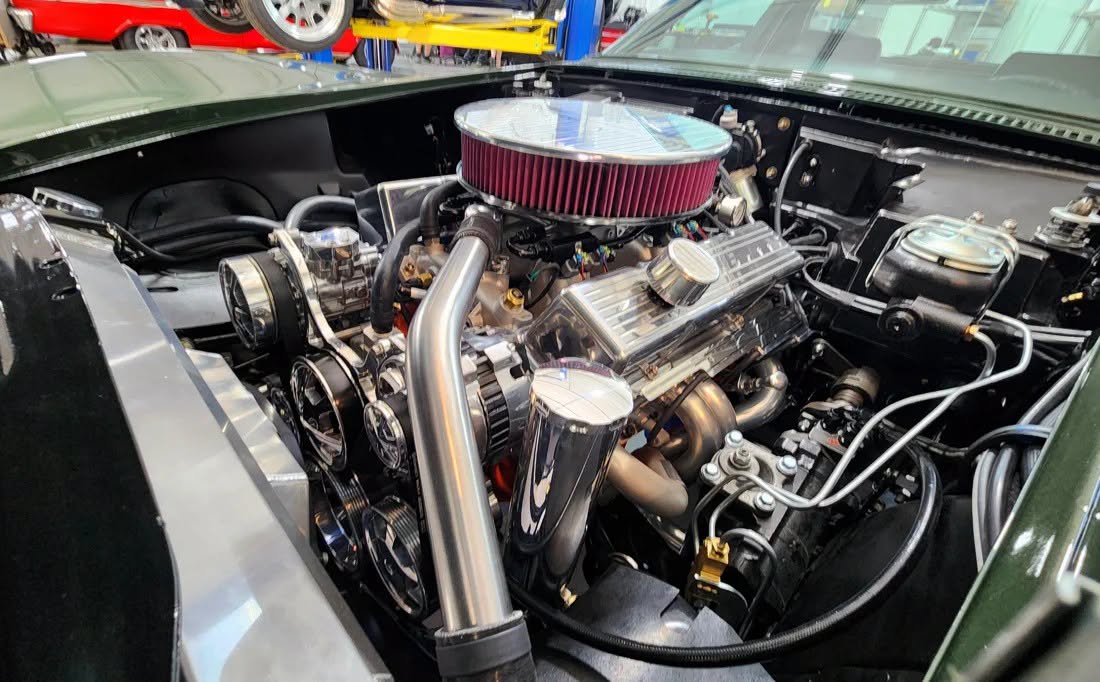
That depends on your vehicle, the engine you’re considering, and what’s sitting on top of it.
The biggest factor is usually the intake manifold. Some manifolds are considerably taller than others, and the air cleaner adds additional height.
Your hood configuration matters, too. An engine combination that fits comfortably beneath a cowl induction hood might not clear a factory hood.
Horsepower goals can complicate things further. Sometimes the intake manifold needed to achieve a particular power level won’t fit beneath the customer’s existing hood. Then we need to discuss whether a different induction setup could meet their goals or whether the vehicle needs additional clearance.
There isn’t a universal answer, but that doesn’t mean you’re on your own.
We know the fitment characteristics of many common engine and vehicle combinations, and we can work with you to provide measurements and evaluate your options.
The best place to start is by telling us what vehicle you have, what hood you’re running, and which engine package you’re considering.
What headers will fit my engine?
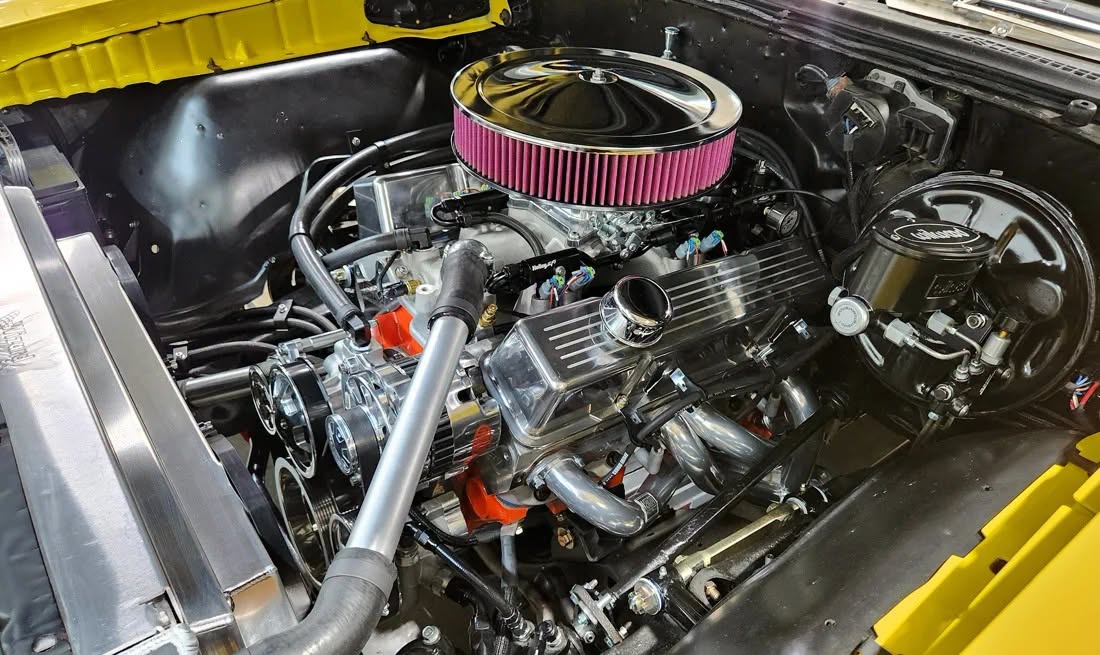
Headers have to fit more than just the engine.
They also need to clear your suspension and steering components, with enough ground clearance for the vehicle.
That’s why we can’t recommend a particular set based on the engine alone. We need to know what you’re putting it in.
We regularly work with several header manufacturers, including:
- Ford Powertrain Applications (FPA) for many Ford applications.
- Lemons Headers for big-block Chevrolet applications.
- TTI for Mopar applications.
These aren’t the only manufacturers we work with, but they’re among the ones we frequently recommend.
Already have a set of headers you’d like to use? Have the manufacturer’s name and part number available when you contact us. That gives us a better starting point for evaluating compatibility.
We can help you determine what to look for before you spend money on headers that may not fit your particular combination.
What else might I need to upgrade when installing a performance engine?
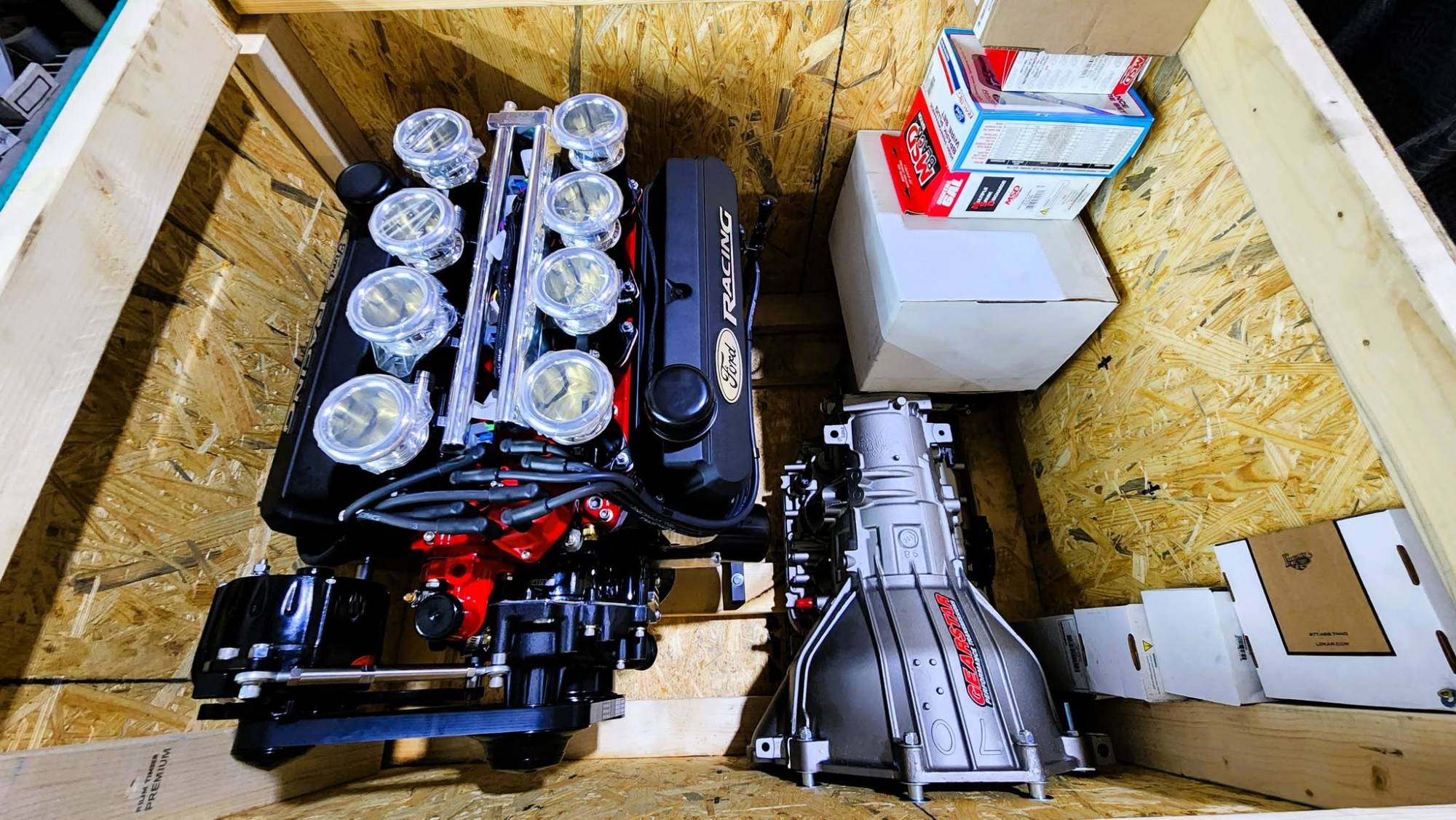
It’s easy to focus on the engine itself, especially when you’re replacing a factory engine with something that makes considerably more horsepower.
One thing we see fairly often is customers planning for a big increase in horsepower without giving much thought to everything else that has to support it.
Maybe the engine they’re replacing made 200 horsepower, and the new one makes 500.
That’s a big difference.
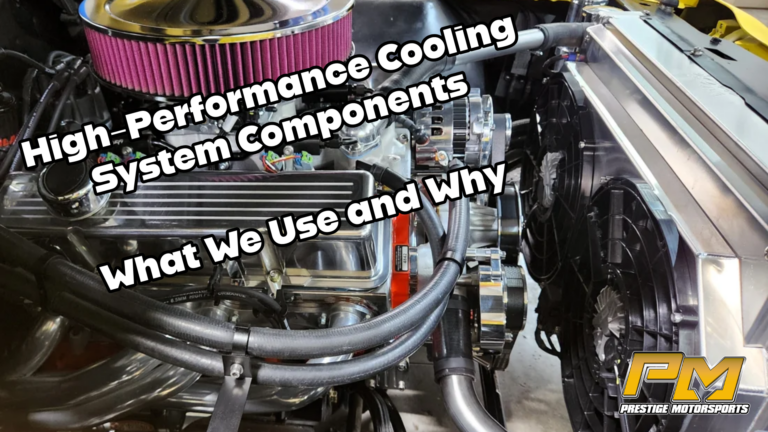
The cooling system needs to keep temperatures under control. The fuel system needs to supply enough fuel, and the exhaust needs to flow properly.
The transmission, rear axle, suspension, and chassis may also need attention, depending on the vehicle.
We’re not saying every engine upgrade requires a complete rebuild. But we do want to know what you’re starting with so we can help you avoid overlooking something important.
Engine Customization & Performance FAQs
What customization options do I have when ordering a Prestige engine?
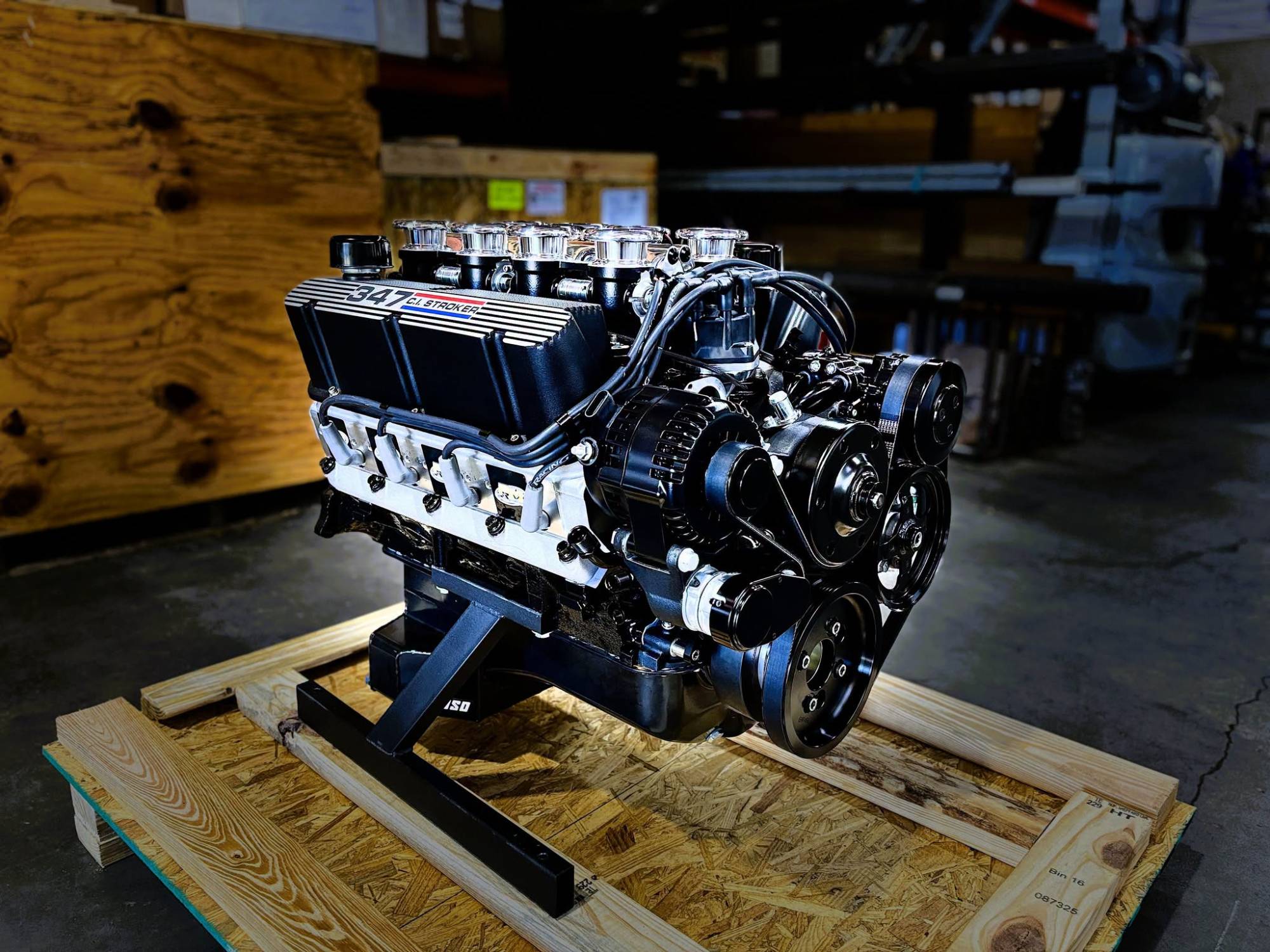
Quite a few. But before we start changing components, we like to ask a more important question:
What are you trying to accomplish?
What do you want the engine to do? How do you want it to sound? How important are street manners and long-term reliability?
Sometimes customers come to us with a list of internal engine modifications they’ve researched online. We can accommodate extensive customization, but changing components doesn’t necessarily make an engine better for its intended use.
For most street enthusiasts, our established engine combinations already provide an excellent foundation.
Where customization often makes the biggest difference is in personalizing the package to the vehicle and the customer’s preferences.
That might include a particular oil pan, polished components, custom valve covers, paint finishes, accessory drives, or induction systems.
We can also help select an induction package that produces power where you want it while accounting for practical considerations such as hood clearance.
If you’re building something for competition or commercial use, talk with us before ordering. Those applications may require a different approach than our standard street-oriented packages.
Can I add a supercharger or turbocharger to my engine later?
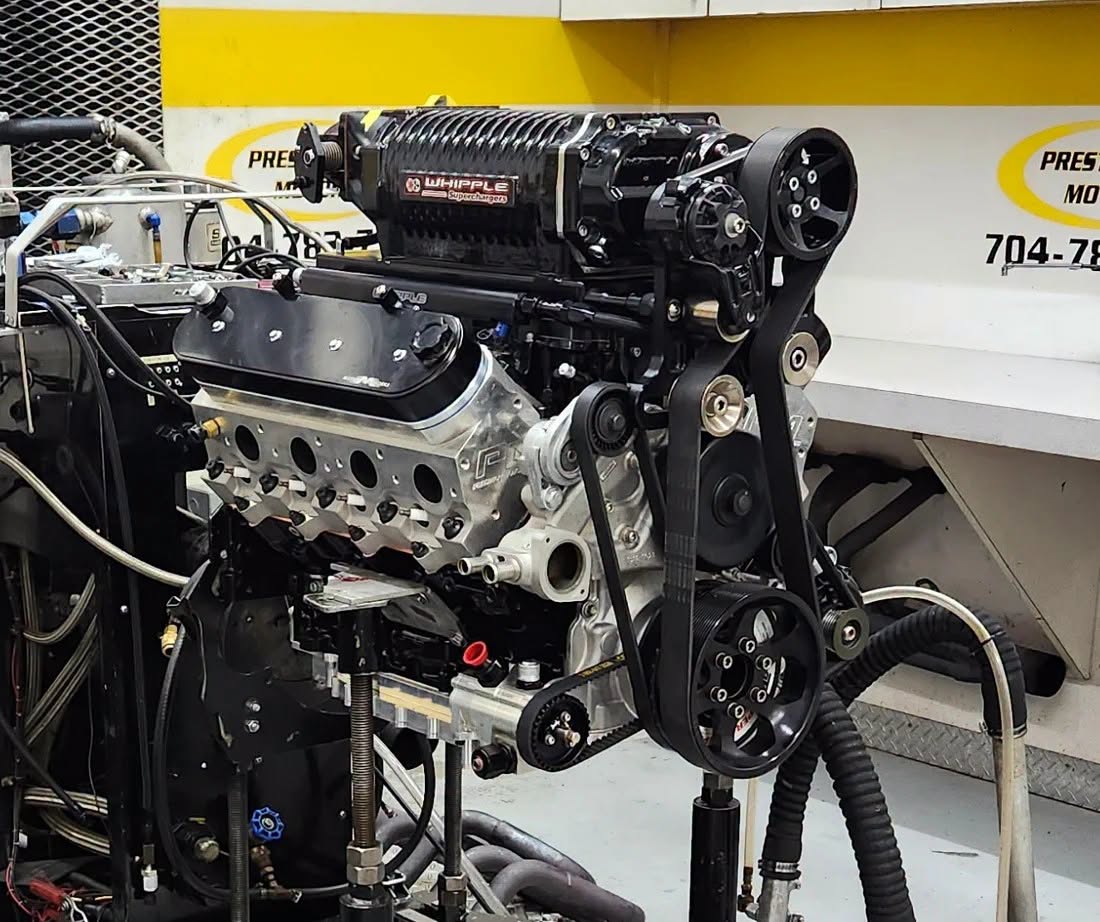
Not necessarily.
If an engine wasn’t designed for a power adder, you shouldn’t assume you can safely add boost later.
Supercharging and turbocharging place different demands on an engine than naturally aspirated operation. The engine needs to be built with those requirements in mind.
That’s why we encourage customers to tell us about their future horsepower goals before ordering.
Maybe you want to drive the car naturally aspirated for a few years and add a supercharger later. That’s something we should discuss at the beginning, not after the engine has already been built.
We can help determine whether a particular engine package is appropriate for your plans or provide a quote for a combination designed to accommodate boost.
If you think you’ll want more power in the future, tell us now. It’s much easier to plan for those goals during the build than to discover later that your engine isn’t suited to the upgrades you had in mind.
Is the Ford 347 stroker engine reliable? What about the oil-burning and rod-ratio problems?
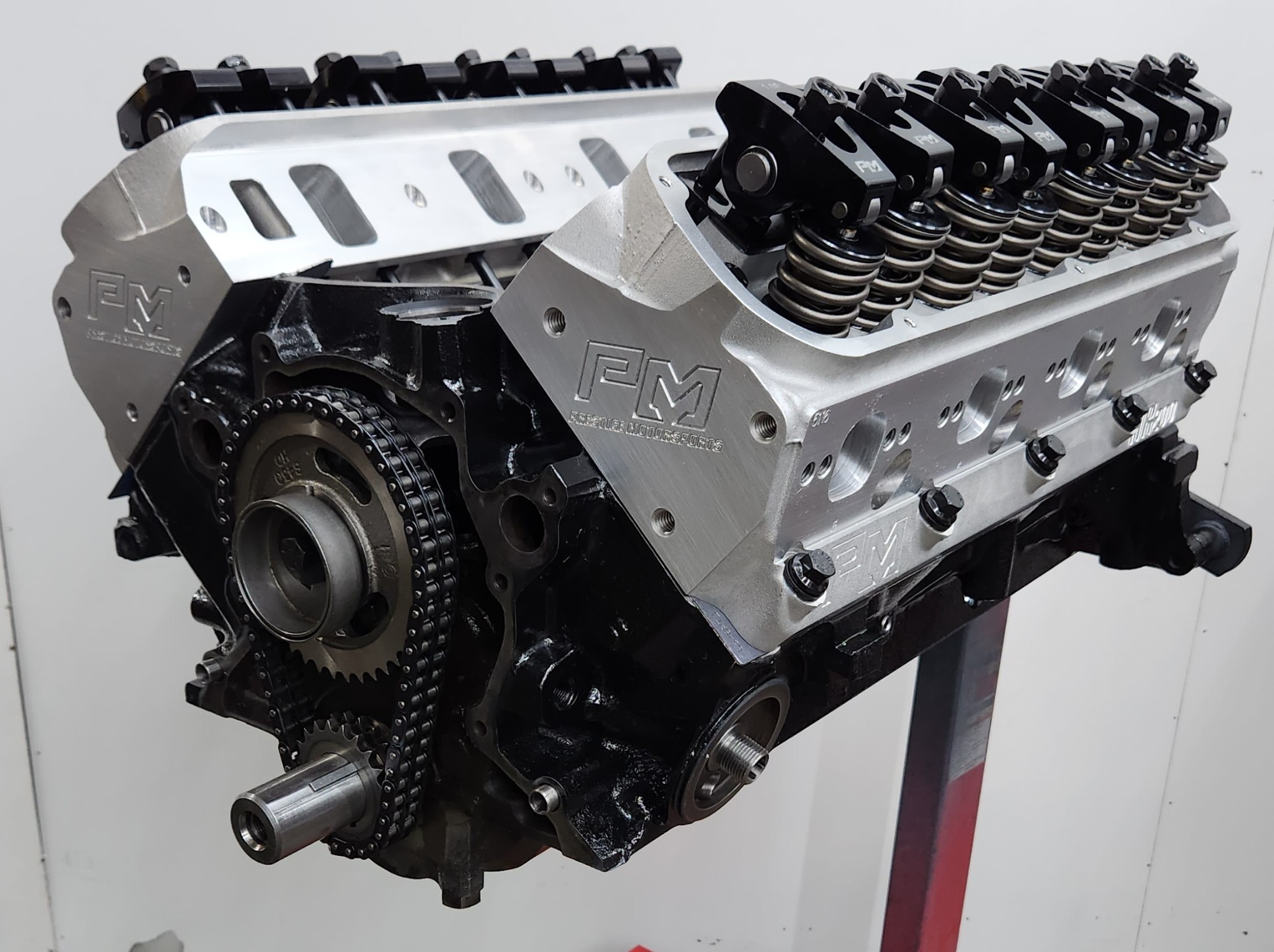
The Ford 347 stroker has carried a reputation for oil consumption and reliability problems for years.
But much of that reputation comes from issues associated with older component designs and engine-building practices, rather than an inherent problem with the 347 displacement.
One common explanation is that the piston pin intersects the oil-ring groove. That’s true of many stroker engine designs, not just the Ford 347.
The historical problem involved how the oil ring was supported.
Early designs could allow the oil ring to lose support around the piston-pin opening. Support rails were introduced to address that issue, but early versions could rotate and create problems of their own.
Modern designs use a dimpled support rail that stays properly positioned while allowing the oil-ring assembly to function as intended.
Poor machining and improper break-in procedures also contributed to oil-consumption problems in some older engines.
Then there’s the connecting-rod ratio.
The Ford 347 has a rod ratio of approximately 1.59. For comparison, a popular 383 small-block Chevrolet stroker is around 1.60, while some 427 LS combinations are around 1.53.
In other words, the 347’s rod ratio isn’t particularly unusual among popular stroker engines.
And there’s a good reason people continue building 347s: low-end torque.
A properly built 347 can produce strong torque without requiring the engine to operate at extremely high RPM. That’s particularly appealing in a street-driven vehicle, where usable power throughout the driving range is often more valuable than chasing a higher peak horsepower number.
At Prestige, we build our 347 combinations using modern components and established machining and assembly practices.
The result is an engine designed to deliver the performance, drivability, and reliability our customers expect, without the historical shortcomings that gave older 347 combinations a bad reputation.
Dyno Testing FAQs
Can I send my own parts to Prestige for dyno testing?
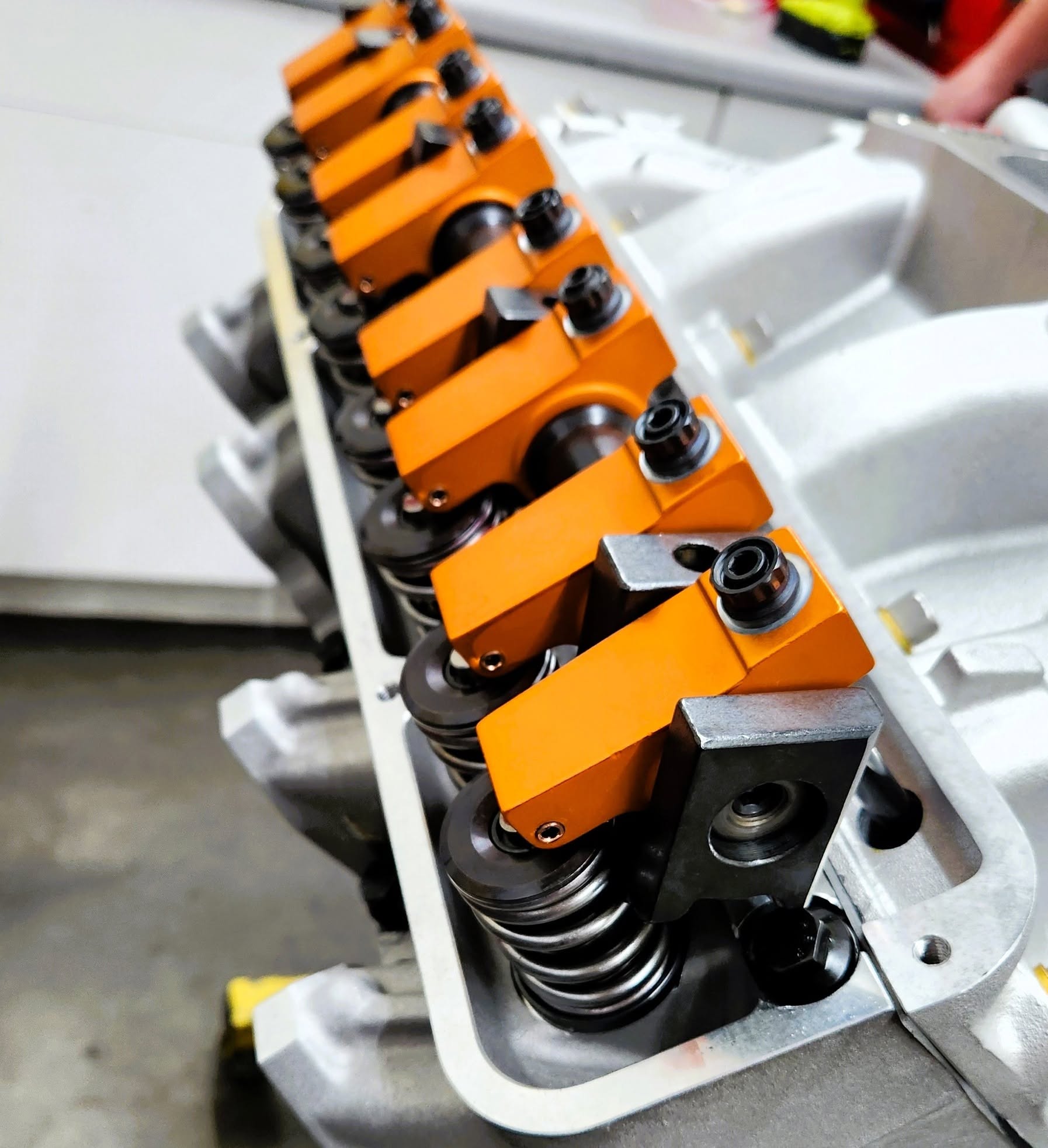
Yes, provided those components meet our quality standards.
We understand that customers sometimes already own parts they want to use with their new engine. And those components aren’t necessarily brand-new.
We’re willing to consider previously used parts, but we need to inspect them and confirm they’re in good working condition before installing or testing them.
That doesn’t mean we’ll accept anything a customer sends us. Our quality-control requirements still apply, and we won’t compromise the engine or testing process by using components that don’t meet those standards.
If you have parts you’d like us to incorporate into your engine package or dyno testing, talk with our team first.
We’ll help determine whether they’re appropriate for the application and what we need to verify before using them.
What does Prestige’s dyno testing actually tell me about my engine?
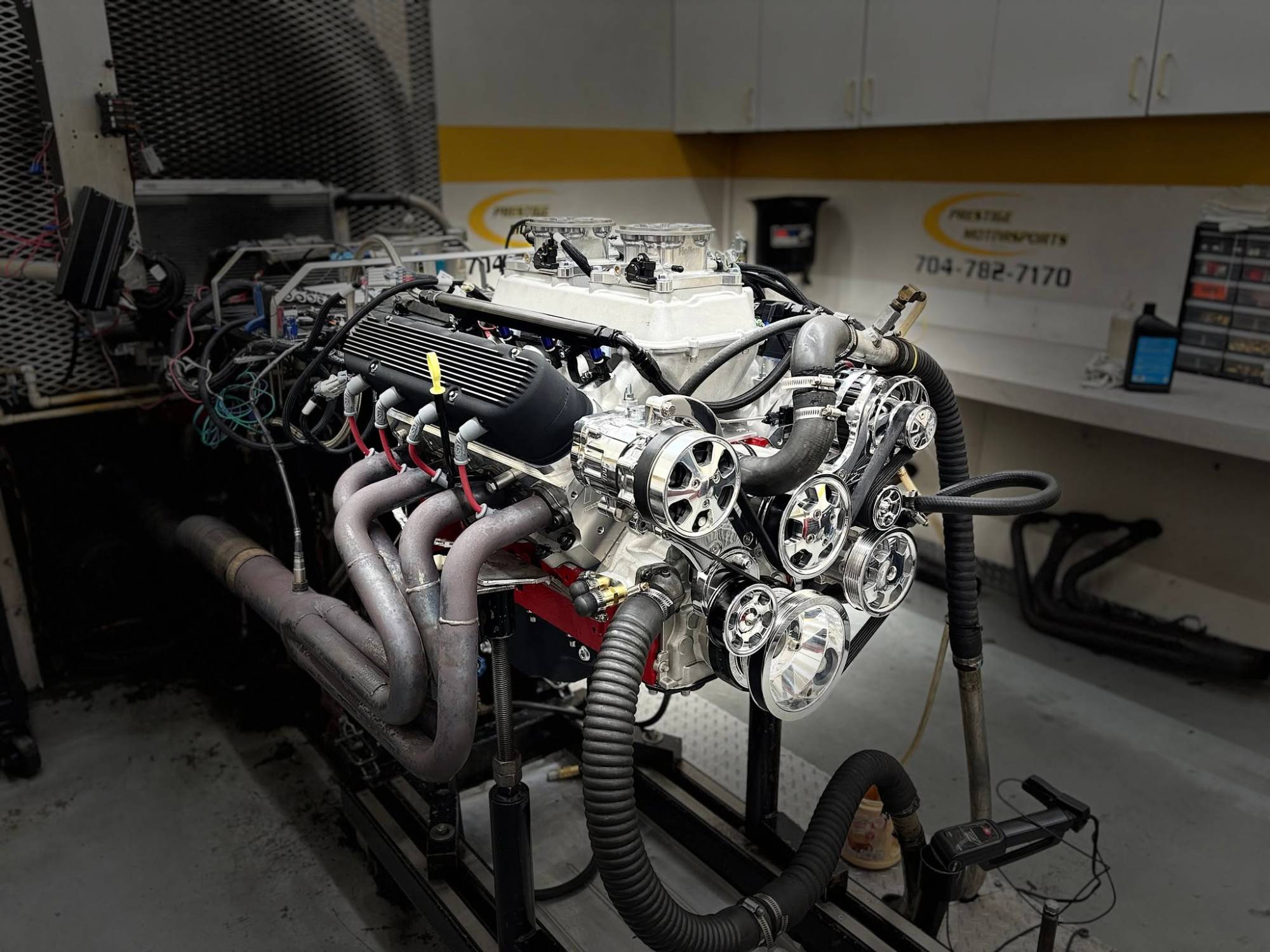
Dyno testing is about more than producing a horsepower number.
It’s our opportunity to run the engine, verify that the components are working together properly, check for leaks, and tune the combination.
It also tells us what the engine actually produces.
Rather than relying entirely on theoretical horsepower estimates, we can measure the engine’s output and see how the combination performs.
By the time your engine leaves our facility, it’s been run and tuned on the dyno. When properly installed, it should be ready to start and operate.
However, that doesn’t mean the finished vehicle will never need additional tuning.
Final tuning in the vehicle may still be necessary, because the complete installation introduces variables that aren’t identical to the engine’s dyno environment.
Dyno testing gives us confidence in the engine itself and provides a strong foundation for the finished vehicle.
Fuel Systems & Final Planning FAQs
Should I choose fuel injection or a carburetor?
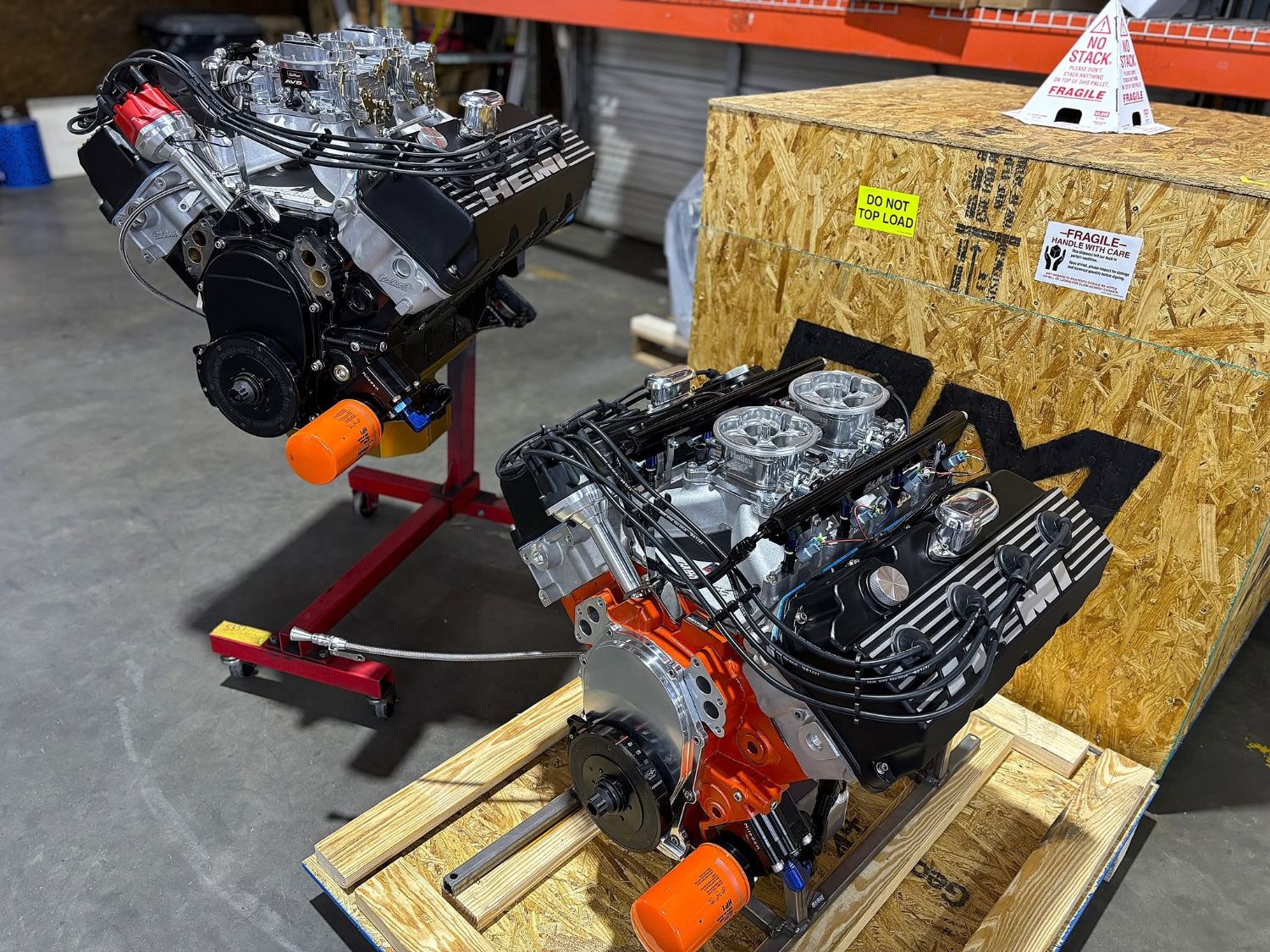
For most of the performance street engines we build, our recommendation is fuel injection.
Modern electronic fuel injection offers advantages in fuel control, drivability, and the ability to manage engine operation across different conditions.
But not all EFI systems are the same.
There are important differences between throttle-body injection and multi-point fuel injection, and choosing the right system matters just as much as deciding to use EFI in the first place.
We’ve covered those differences in greater detail in our blog about multi-point fuel injection versus throttle-body injection.
One important consideration if you’re converting from a carburetor: your existing fuel system may not be adequate.
An EFI system requires the appropriate fuel pump and delivery setup. You can’t simply assume the fuel pump that supported your carbureted engine will work with your new fuel-injected combination.
We can help you understand what your engine requires before you begin the conversion.
Should I choose my pulley system before ordering my engine?
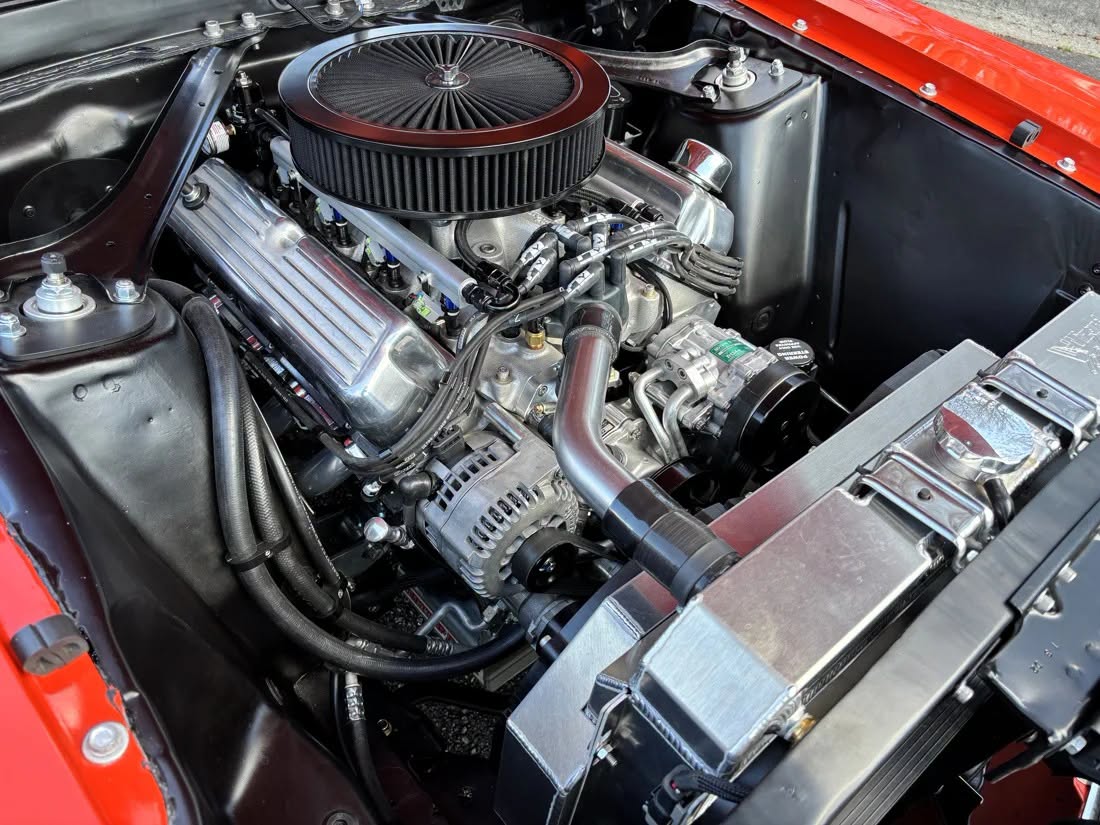
Whenever possible, yes.
We offer a variety of accessory-drive and pulley-system options, and the one you choose can affect how the engine fits and how easily everything comes together during installation.
Some customers assume they can decide on the pulley system after the engine arrives and simply bolt everything into place.
Sometimes that’s possible.
Other systems, however, may require removing components or partially disassembling an engine that’s already been assembled, sealed, tested, and shipped.
That’s unnecessary work we’d rather help you avoid.
You can always ask us about accessory drives later, but we’d much rather have that conversation before your engine is finished.
If there’s a particular system you’re considering, run it by us.
We can help you determine whether it’s a good fit and potentially save you the trouble of taking things apart to install it later.
What should I ask before buying a performance engine?
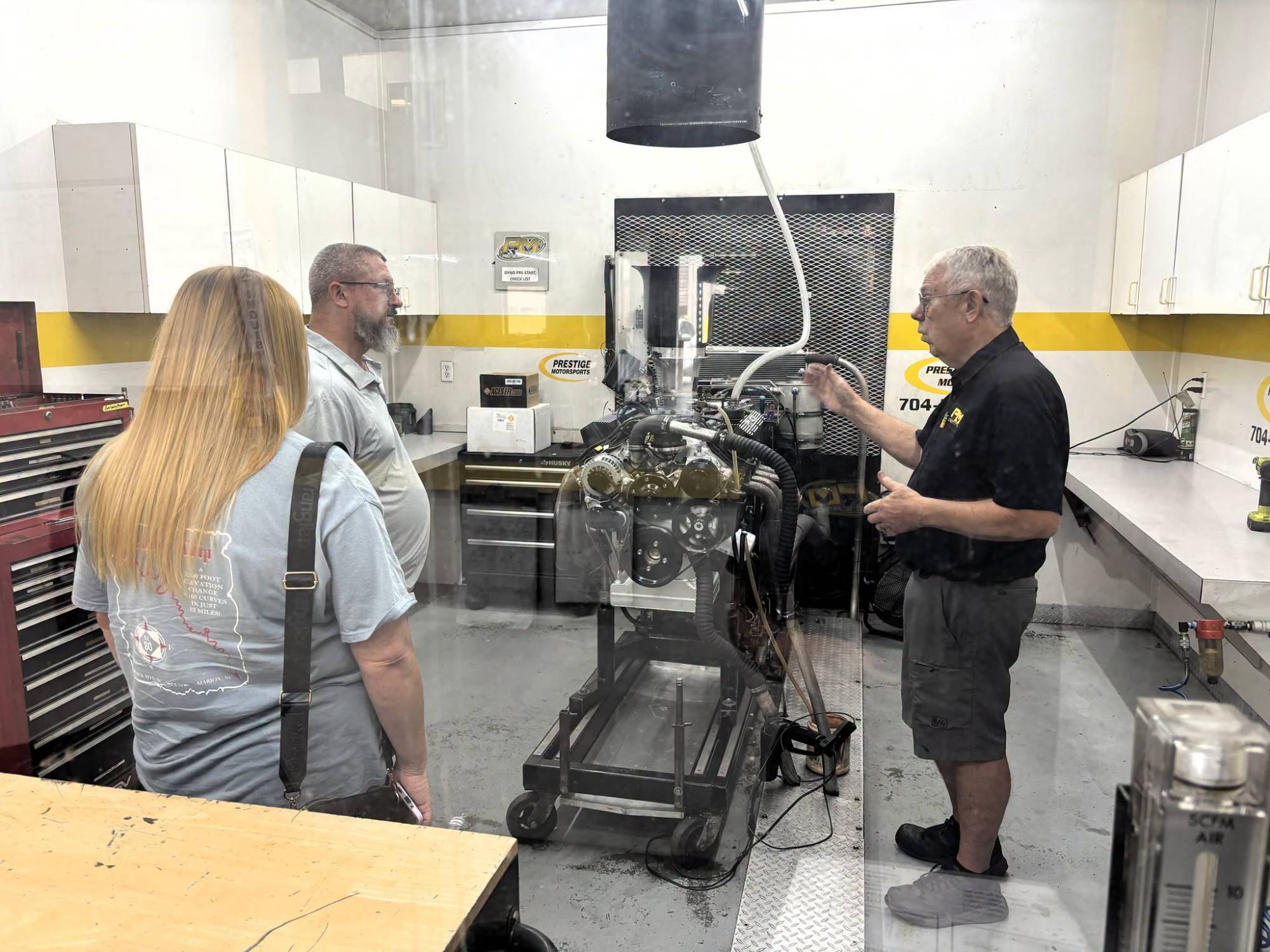
One of the most useful questions you can ask is:
“What else do I need to upgrade so this engine will be reliable and make the power it’s supposed to?”
It’s a question that covers a lot of ground.
You may need a different fuel delivery system. Your radiator and fans may not have enough cooling capacity. Your exhaust could be too restrictive, or your existing drivetrain might not be appropriate for the additional horsepower.
These are all things we’d rather discuss before you install the engine.
Tell us what vehicle you’re building, how you intend to use it, what supporting components you already have, and what you hope to accomplish.
That gives us the information we need to help you choose an engine package that makes sense for the entire vehicle.
Still Have Questions? Let’s Talk About Your Build.
There’s a reason we don’t have a one-size-fits-all answer to every question.
A performance engine doesn’t operate in isolation. It has to fit the vehicle, work with the supporting systems, and deliver the kind of performance the owner actually wants.
We’ve built and tested enough engines to know that the details matter, especially the ones that are easy to overlook when you’re focused on horsepower.
So whether you’re trying to figure out hood clearance, wondering which engine package makes sense, or planning upgrades down the road, we’re happy to talk through the details.
You don’t need to have every answer before contacting us.
That’s part of what we’re here for.